


 English
 中文简体
中文简体
 Español


Content
- 1 What Is Aluminum Investment Casting
- 2 The Investment Casting Process for Aluminum
- 3 Aluminum Alloys Used in Investment Casting
- 4 Advantages of Aluminum Investment Casting
- 5 Common Applications and Industries
- 6 Design Considerations for Optimal Results
- 7 Quality Control and Testing Methods
- 8 Cost Factors and Economic Considerations
- 9 Comparison with Alternative Manufacturing Methods
- 10 Future Trends and Innovations
What Is Aluminum Investment Casting
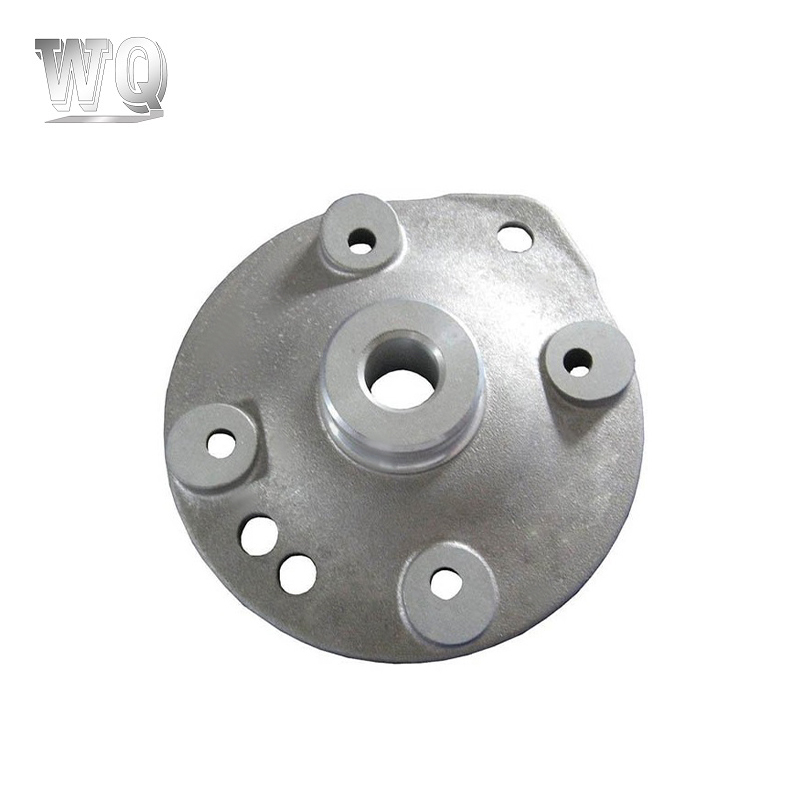
Aluminum investment casting is a precision manufacturing process that produces complex metal parts by pouring molten aluminum into ceramic molds created from wax patterns. Also known as lost-wax casting, this method delivers exceptional dimensional accuracy, smooth surface finishes, and the ability to create intricate geometries that would be difficult or impossible with other manufacturing techniques. The process achieves tolerances as tight as ±0.005 inches (±0.13 mm) and surface finishes of 125 microinches or better.
This casting method is particularly valuable for producing aluminum components ranging from 0.1 ounces to over 200 pounds, making it suitable for industries including aerospace, automotive, medical devices, and industrial equipment. The combination of aluminum's lightweight properties and the investment casting process's precision makes it an ideal choice for high-performance applications where strength-to-weight ratio is critical.
The Investment Casting Process for Aluminum
The aluminum investment casting process involves multiple precise steps, each critical to achieving high-quality results.
Pattern Creation and Assembly
The process begins with creating wax patterns that are exact replicas of the final part. These patterns are typically injection-molded into metal dies and then assembled onto a wax tree structure called a sprue. A single tree can hold dozens to hundreds of individual patterns depending on part size, maximizing production efficiency. The pattern accuracy directly impacts final part quality, with modern pattern-making achieving tolerances of ±0.002 inches.
Shell Building
The wax assembly is repeatedly dipped into ceramic slurry and coated with fine refractory materials to build up a shell. This process typically requires 5 to 8 coats applied over several days, with each layer allowed to dry before the next application. The first few coats use finer materials to capture detail, while subsequent layers use coarser materials for strength. The completed shell thickness ranges from 5-10mm, providing sufficient strength to contain molten aluminum.
Dewaxing and Firing
Once the shell is fully dried, it's placed in an autoclave or furnace where the wax is melted out, leaving a hollow ceramic mold. The shell is then fired at temperatures between 1,500°F and 1,900°F (815°C to 1,038°C) to achieve maximum strength and burn out any remaining wax residue. This firing also preheats the mold, which improves metal flow and reduces thermal shock during pouring.
Pouring and Solidification
Aluminum is melted in furnaces at approximately 1,350°F to 1,450°F (732°C to 788°C) and poured into the preheated ceramic shells. The pouring can be done through gravity, vacuum-assisted, or counter-gravity methods depending on part complexity and quality requirements. Vacuum-assisted casting reduces porosity and improves mechanical properties by minimizing gas entrapment. After pouring, the metal solidifies and cools in a controlled environment.
Shell Removal and Finishing
The ceramic shell is removed through mechanical breaking, vibration, or high-pressure water blasting. Individual castings are then cut from the tree using saws or cutting wheels. Finishing operations may include grinding gates, heat treatment, machining, surface treatments, and quality inspection. Most aluminum investment castings require minimal finishing due to the excellent as-cast surface quality.
Aluminum Alloys Used in Investment Casting
Different aluminum alloys offer varying properties for specific applications. Selecting the appropriate alloy is crucial for meeting performance requirements.
| Alloy | Key Properties | Tensile Strength | Common Applications |
|---|---|---|---|
| A356 | Excellent castability, good corrosion resistance | 33-38 ksi | Aerospace, automotive wheels |
| A357 | High strength, heat treatable | 45-52 ksi | Aircraft components, high-stress parts |
| C355 | Superior strength at elevated temps | 36-42 ksi | Engine parts, high-temp applications |
| 206 | Highest strength aluminum casting alloy | 60-65 ksi | Premium aerospace, racing components |
| 518 | Excellent corrosion resistance | 35-40 ksi | Marine, chemical equipment |
A356 and A357 alloys dominate the market, representing approximately 70% of all aluminum investment castings due to their excellent balance of castability, strength, and cost-effectiveness. Heat treatment processes like T6 can increase tensile strength by 40-60% for many alloys.
Advantages of Aluminum Investment Casting
This manufacturing method offers numerous benefits that make it preferable to alternative processes for many applications.
Design Freedom and Complexity
Investment casting produces intricate geometries including undercuts, thin walls down to 0.040 inches (1mm), internal passages, and complex surface contours without requiring assembly of multiple components. This eliminates welding or fastening operations that add weight, cost, and potential failure points. Engineers can design parts as single, integrated components rather than assemblies.
Superior Surface Finish and Tolerance
The process delivers as-cast surface finishes of 63-125 microinches Ra, often eliminating secondary finishing operations. Dimensional tolerances of ±0.005 inches per inch are standard, with linear tolerances achievable to ±0.003 inches with proper process control. This precision reduces or eliminates machining requirements, lowering overall manufacturing costs.
Material Efficiency
Investment casting typically achieves 85-95% material utilization compared to 30-50% for machined parts from solid stock. Near-net-shape casting minimizes material waste and reduces machining time. The gating system and sprues are recycled, further improving material efficiency and sustainability.
Cost-Effectiveness for Complex Parts
While tooling costs are higher than sand casting, investment casting becomes economical at production volumes as low as 25-100 pieces for complex geometries. The process eliminates expensive multi-axis machining operations and assembly labor. For quantities exceeding 500 pieces annually, investment casting typically offers 20-40% cost savings compared to machining from billet.
Excellent Mechanical Properties
The fine-grained microstructure achieved through controlled solidification provides mechanical properties approaching those of wrought aluminum. Porosity levels can be controlled to less than 1% by volume using vacuum-assisted pouring, resulting in superior fatigue resistance and pressure tightness critical for aerospace and hydraulic applications.
Common Applications and Industries
Aluminum investment casting serves diverse industries where precision, weight reduction, and complex geometry are essential.
Aerospace and Defense
The aerospace industry represents the largest market segment, utilizing aluminum investment castings for turbine blades, structural brackets, actuator housings, and flight control components. The process meets stringent requirements including NADCAP certification and AS9100 quality standards. Weight savings of 30-50% compared to steel alternatives directly improve fuel efficiency and payload capacity.
Automotive and Transportation
Automotive applications include suspension components, transmission housings, engine parts, and structural brackets. Electric vehicle manufacturers increasingly adopt aluminum investment castings to offset battery weight while maintaining structural integrity. Performance vehicles use investment cast wheels and suspension components where weight reduction improves handling and acceleration.
Medical Devices
Medical equipment manufacturers use aluminum investment castings for surgical instrument handles, imaging equipment components, prosthetic device parts, and diagnostic equipment housings. The smooth surface finish and biocompatibility of certain aluminum alloys meet FDA requirements for medical device manufacturing. The process enables sterilization-compatible designs with integrated features.
Industrial Equipment
Hydraulic components, valve bodies, pump housings, and automation equipment utilize investment cast aluminum for corrosion resistance and pressure integrity. The ability to cast thin-walled, pressure-tight components with complex internal passages makes this process ideal for fluid handling systems operating at pressures exceeding 3,000 psi.
Electronics and Telecommunications
Heat sinks, RF component housings, and electronic enclosures benefit from aluminum's thermal conductivity and electromagnetic shielding properties. Investment casting enables integrated cooling fins and mounting features that would require multiple operations with other manufacturing methods.
Design Considerations for Optimal Results
Successful aluminum investment casting requires careful attention to design principles that accommodate the process capabilities and limitations.
Wall Thickness Guidelines
Maintain uniform wall thickness wherever possible to prevent shrinkage defects and porosity. Minimum wall thickness should be 0.060-0.080 inches (1.5-2.0 mm) for reliable casting, though thinner sections are achievable with proper gating design. Transitions between different wall thicknesses should be gradual with a ratio not exceeding 2:1 to minimize stress concentrations.
Draft Angles and Radii
While investment casting doesn't require draft angles for mold removal like other processes, incorporating 0.5-1 degree draft on external surfaces improves wax pattern ejection from dies. Add generous radii at internal corners—minimum 0.030 inches (0.75mm)—to reduce stress concentration and improve metal flow during casting. Sharp corners should be avoided entirely.
Coring and Internal Features
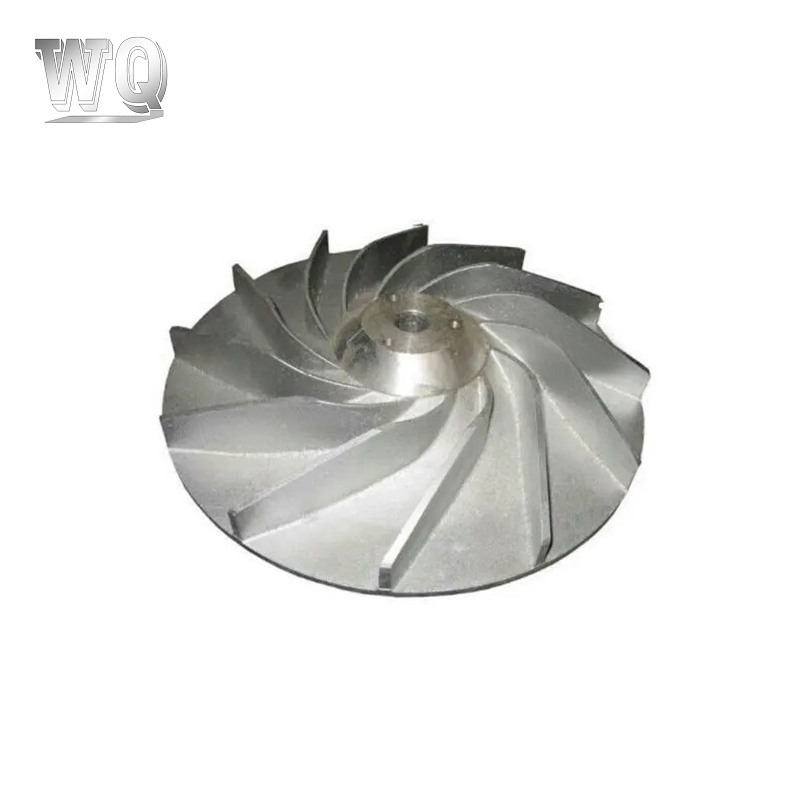
Internal passages and hollow sections can be created using ceramic cores. Core placement must account for support during shell building and metal pouring. Minimum core diameter is typically 0.125 inches (3.2mm) with a length-to-diameter ratio not exceeding 10:1 for stability. Core removal access must be incorporated into the design.
Parting Lines and Gate Placement
Work with the foundry early to determine optimal parting lines and gate locations. Gates should be positioned to promote directional solidification and avoid turbulent metal flow. Placing gates on non-critical surfaces minimizes finishing work. Consider that gate removal will leave small witness marks requiring grinding.
Tolerance Specifications
Specify tolerances realistically based on process capabilities. Standard tolerances of ±0.005 inches per inch are achievable without premium costs. Tighter tolerances may require secondary machining operations. Critical dimensions should be clearly identified and discussed with the foundry during design review.
Quality Control and Testing Methods
Rigorous quality control ensures aluminum investment castings meet demanding performance standards across critical applications.
Dimensional Inspection
Coordinate measuring machines (CMM) verify dimensions to tolerances of ±0.0001 inches. First article inspection confirms all dimensional requirements before production release. Optical comparators and laser scanning provide rapid verification for complex geometries. Statistical process control tracks dimensional trends to prevent drift.
Non-Destructive Testing
X-ray radiography detects internal porosity, shrinkage, and inclusions with sensitivity to defects as small as 2% of wall thickness. Fluorescent penetrant inspection reveals surface-breaking defects. Ultrasonic testing verifies wall thickness and detects subsurface discontinuities. Pressure testing confirms leak integrity for hydraulic components.
Mechanical Property Verification
Test bars cast with production parts undergo tensile testing, hardness testing, and metallographic analysis. Results must meet specification requirements for yield strength, ultimate tensile strength, elongation, and hardness. Heat treatment effectiveness is verified through hardness surveys and microstructure examination.
Chemical Composition Analysis
Optical emission spectroscopy verifies alloy composition for each melt batch. Critical elements are maintained within ±0.05% of specification limits. Traceability documentation links each casting to specific melt batches and process parameters.
Cost Factors and Economic Considerations
Understanding cost drivers helps optimize designs and select appropriate manufacturing quantities for aluminum investment casting.
Tooling Investment
Wax pattern dies represent the primary tooling cost, ranging from $2,000 to $20,000 depending on part complexity and size. Multi-cavity dies reduce per-part costs for higher volumes. Tooling life typically exceeds 100,000 shots, amortizing costs over large production runs. Rapid prototyping technologies can produce prototype patterns for under $500 per geometry.
Production Volume Impact
Investment casting becomes economically competitive at quantities as low as 25-50 pieces for complex parts and 100-500 pieces for simpler geometries. High-volume production (5,000+ annually) can reduce per-piece costs by 40-60% through automation and optimized tree configurations. Break-even analysis should compare total lifecycle costs including tooling, production, and secondary operations.
Material and Process Costs
Aluminum alloy costs range from $1.50 to $4.00 per pound depending on grade and market conditions. Shell materials and labor represent 30-40% of piece price. Premium processes like vacuum casting add 15-25% to base costs but deliver superior quality for critical applications. Heat treatment adds $0.50-$2.00 per pound.
Secondary Operations
CNC machining of critical features typically adds $5-$50 per part depending on complexity. Surface treatments including anodizing, powder coating, or chemical conversion coatings add $2-$10 per part. Design optimization to minimize secondary operations significantly reduces total manufacturing costs.
Comparison with Alternative Manufacturing Methods
Understanding when investment casting offers advantages over other processes helps optimize manufacturing strategy.
| Process | Tolerance | Surface Finish | Min. Wall | Economic Qty |
|---|---|---|---|---|
| Investment Casting | ±0.005 in/in | 125 μin Ra | 0.060 in | 25-500+ |
| Sand Casting | ±0.030 in/in | 500 μin Ra | 0.125 in | 1-100 |
| Die Casting | ±0.003 in/in | 100 μin Ra | 0.040 in | 1,000-100,000+ |
| CNC Machining | ±0.001 in | 32 μin Ra | 0.020 in | 1-1,000 |
| Additive Manufacturing | ±0.005 in | 200 μin Ra | 0.030 in | 1-50 |
Investment casting excels in the mid-volume range with complex geometries requiring good surface finish and tight tolerances. Die casting suits higher volumes but has limited alloy selection. Machining offers tighter tolerances but generates significant waste for complex parts. Additive manufacturing serves prototyping well but struggles with production economics and material properties.
Future Trends and Innovations
The aluminum investment casting industry continues evolving through technological advancement and market demands.
Additive Manufacturing Integration
3D-printed wax patterns eliminate die costs for prototypes and low-volume production, reducing lead times from 8-12 weeks to 2-3 weeks. Direct shell printing technologies create ceramic molds without patterns, enabling geometries impossible with traditional methods. Investment is increasing in hybrid approaches combining both technologies.
Simulation and Digital Twin Technology
Advanced casting simulation software predicts shrinkage, porosity, and mechanical properties before production, reducing development iterations by 50-70%. Digital twin models optimize gating design, feeding systems, and heat treatment parameters. AI-driven process control adjusts parameters in real-time to maintain quality.
Sustainability Initiatives
Industry focus on reducing environmental impact includes increased use of recycled aluminum, energy-efficient melting systems, and shell material recycling. Some foundries have achieved 90% material recycling rates and reduced energy consumption by 30% through waste heat recovery and induction melting.
Advanced Alloy Development
Research into high-strength aluminum-lithium alloys and grain-refined compositions promises 20-30% strength improvements while maintaining castability. Nanoparticle reinforcement and in-situ composite formation expand material property ranges for specialized applications.