


 English
 中文简体
中文简体
 Español


Content
Why Brass Casting Remains a Top Choice for Precision Components
Brass casting parts offer an unmatched combination of corrosion resistance, machinability, and aesthetic appeal, making them indispensable in industries ranging from plumbing to marine engineering. The primary advantage lies in the alloy's ability to maintain structural integrity under high pressure while allowing for complex geometric designs that are difficult to achieve with other metals. Brass components typically exhibit a tensile strength between 300-500 MPa, depending on the specific alloy composition, ensuring durability in demanding environments.
Unlike steel or aluminum, brass requires less energy to melt and cast, resulting in lower production costs for high-volume runs. Its natural antimicrobial properties also make it a preferred material for healthcare and food processing applications where hygiene is critical.
Common Brass Alloys Used in Casting
Selecting the right alloy is crucial for the performance of the final part. Different brass compositions offer varying levels of strength, ductility, and corrosion resistance.
Red Brass (C84400)
Often referred to as "semi-red brass," this alloy contains approximately 85% copper, 5% tin, 5% lead, and 5% zinc. It is highly resistant to corrosion and is commonly used for plumbing fittings and valve bodies.
Yellow Brass (C85400)
With a higher zinc content, yellow brass is stronger and more cost-effective. It is widely used in hardware, locks, and decorative architectural elements due to its gold-like appearance.
| Alloy Designation | Primary Composition | Key Characteristics | Typical Applications |
|---|---|---|---|
| C84400 | 85% Cu, 5% Sn, 5% Pb, 5% Zn | High corrosion resistance, good pressure tightness | Valves, pumps, plumbing fittings |
| C85400 | 57-60% Cu, 40-42% Zn | High strength, excellent machinability | Hardware, locks, decorative trim |
| C87800 | 81-84% Cu, 14-16% Si | Silicon bronze alternative, high wear resistance | Marine hardware, gears, bushings |
Manufacturing Processes for Brass Castings
The method chosen for casting brass parts significantly impacts the surface finish, dimensional accuracy, and cost. Understanding these processes helps in selecting the right supplier for your project.
Sand Casting
Sand casting is the most traditional and versatile method. It involves creating a mold from silica sand and binding agents. While it offers flexibility in size and shape, the surface finish is generally rougher than other methods, often requiring secondary machining.
Investment Casting (Lost Wax)
This process uses a wax pattern coated in ceramic slurry. Once the wax is melted out, molten brass is poured into the ceramic shell. Investment casting achieves tolerances as tight as ±0.1 mm and provides a superior surface finish, making it ideal for intricate jewelry, medical instruments, and high-precision aerospace components.
Die Casting
Die casting forces molten brass into a steel mold under high pressure. It is best suited for high-volume production of small to medium-sized parts with consistent dimensions. Although the initial tooling cost is high, the per-unit cost drops significantly with volume.
Design Considerations for Optimal Performance
To ensure the quality and longevity of brass casting parts, designers must account for several key factors during the prototyping phase.
- Wall Thickness: Maintain uniform wall thickness to prevent shrinkage cavities and warping. A minimum wall thickness of 2-3 mm is recommended for most sand casting applications.
- Draft Angles: Incorporate draft angles of 1-3 degrees on vertical surfaces to facilitate easy removal from the mold without damaging the part.
- Fillets and Radii: Use generous fillets at internal corners to reduce stress concentration and improve metal flow during casting.
- Machining Allowances: If critical dimensions are required, add extra material (typically 1-2 mm) for post-casting machining operations.
Industrial Applications of Brass Castings
Brass casting parts are ubiquitous across various sectors due to their functional and aesthetic properties.
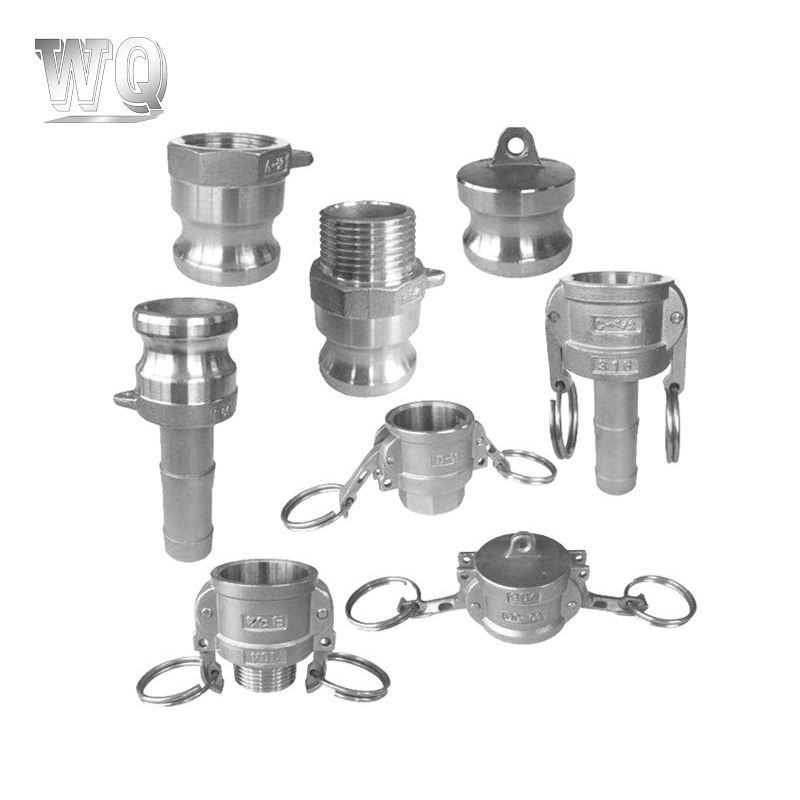
- Plumbing and HVAC: Valve bodies, pipe fittings, and faucet components rely on brass for its resistance to water corrosion and scale buildup.
- Marine Industry: Propellers, pump impellers, and deck hardware benefit from brass's ability to withstand saltwater environments without rapid degradation.
- Electrical Engineering: Due to its conductivity, brass is used for connectors, terminals, and switchgear components.
- Automotive: Radiator cores, fuel system components, and decorative trim pieces often utilize brass castings for durability and heat dissipation.