


 English
 中文简体
中文简体
 Español


Content
Essential Components for Optimal Performance
The longevity and efficiency of any commercial freezer rely heavily on the condition of its internal components. Regular maintenance and timely replacement of wear-prone ice cream machine parts are critical to preventing costly downtime and ensuring product consistency. Key areas of focus include the freezing cylinder, the dasher (beater), and the sealing assemblies, which collectively determine the overrun and texture of the final product.
Neglecting these components often leads to a 20-30% drop in production capacity due to inefficient freezing cycles. By understanding the specific role of each part, operators can implement a proactive maintenance schedule that extends the machine's lifespan by several years.
Critical Wear Parts and Their Functions
Not all components degrade at the same rate. Identifying which parts are subject to high friction and thermal stress is essential for effective inventory management and repair planning.
The Dasher and Scraper Blades
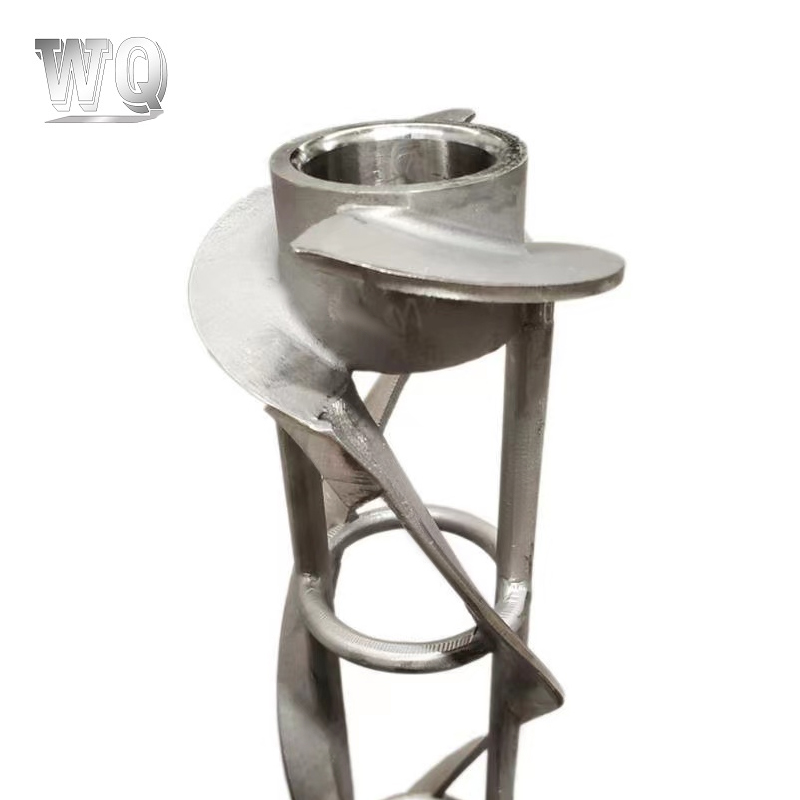
The dasher is responsible for whipping air into the mix and scraping frozen product from the cylinder walls. The scraper blades, typically made of plastic or composite materials, wear down over time. When blades are worn by more than 1-2mm, the machine struggles to harvest the product efficiently, leading to icy textures and increased motor strain.
Seals and Gaskets
Rubber seals prevent mix leakage and maintain pressure within the freezing cylinder. These parts are susceptible to degradation from cleaning chemicals and temperature fluctuations. A failed seal can result in mix loss of up to 5 liters per day and potential contamination of the refrigeration system.
- Inspect scraper blades weekly for uneven wear patterns.
- Replace door gaskets every 6-12 months depending on usage intensity.
- Use food-grade lubricants on O-rings to prevent drying and cracking.
Maintenance Schedule for Key Parts
A structured maintenance routine minimizes unexpected failures. The following table outlines recommended inspection and replacement intervals for common ice cream machine parts.
| Component | Inspection Frequency | Replacement Indicator |
|---|---|---|
| Scraper Blades | Weekly | Visible wear >1mm or poor texture |
| Door Seals | Monthly | Cracking, hardening, or leaks |
| Drive Belt | Quarterly | Fraying, stretching, or slipping |
| Refrigerant Filters | Annually | Pressure drop or reduced cooling |
Troubleshooting Common Part Failures
Recognizing the symptoms of failing parts can save significant repair costs. Often, a minor issue with a small component can cascade into major mechanical failure if left unaddressed.
Inconsistent Overrun
If the ice cream density varies significantly, check the dasher bearings and scraper blades. Worn bearings can cause the dasher to wobble, leading to uneven scraping. This often results in overrun fluctuations of +/- 10%, affecting portion control and profitability.
Excessive Noise or Vibration
Unusual noises during operation usually point to issues with the drive train. A worn drive belt or misaligned motor pulley can create excessive vibration, which may damage the compressor mounts over time. Immediate inspection of the belt tension and alignment is recommended.
- Listen for grinding sounds indicating bearing failure in the dasher assembly.
- Check for mix leakage around the door area, signaling seal degradation.
- Monitor freeze times; a sudden increase suggests refrigerant issues or dirty condenser coils.
Selecting High-Quality Replacement Parts
When replacing ice cream machine parts, the choice between OEM (Original Equipment Manufacturer) and aftermarket options can impact performance. While aftermarket parts may offer cost savings, OEM parts ensure exact compatibility and material standards.
For critical components like seals and scraper blades, sticking to OEM specifications is advisable to maintain warranty coverage and product quality. However, for non-critical structural parts, certified aftermarket alternatives can provide a cost reduction of 15-25% without compromising safety or function. Always verify that replacement parts meet local food safety regulations and material certifications.