


 English
 中文简体
中文简体
 Español


Content
What Are Stainless Steel Casting Parts?
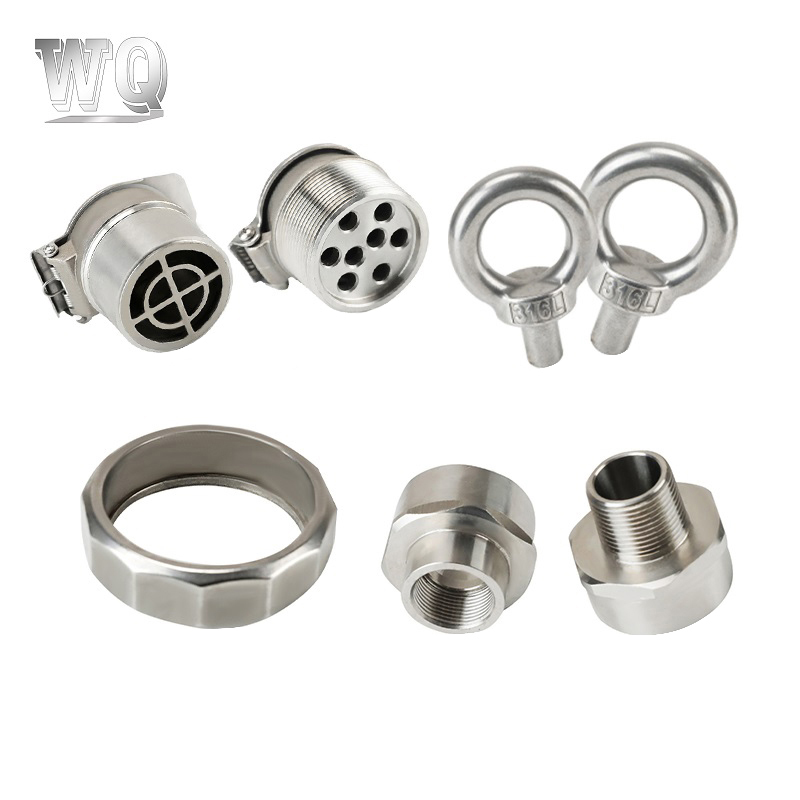
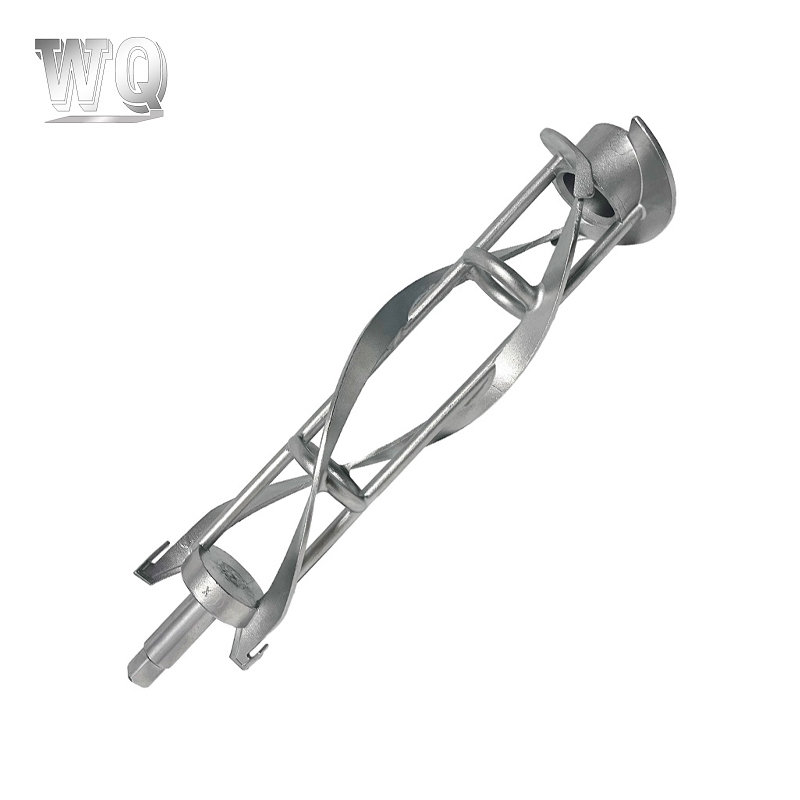
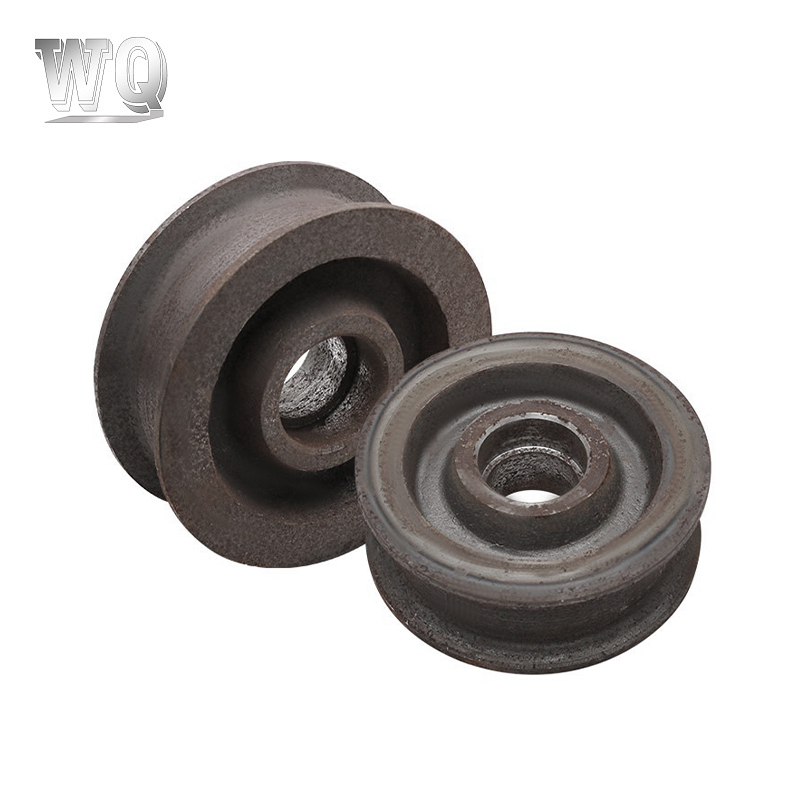
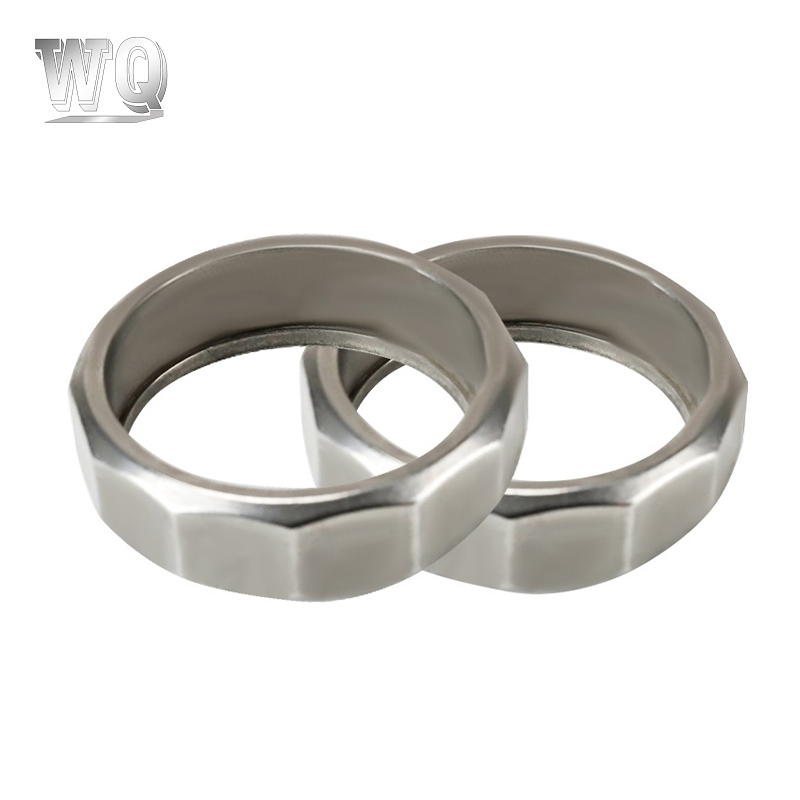
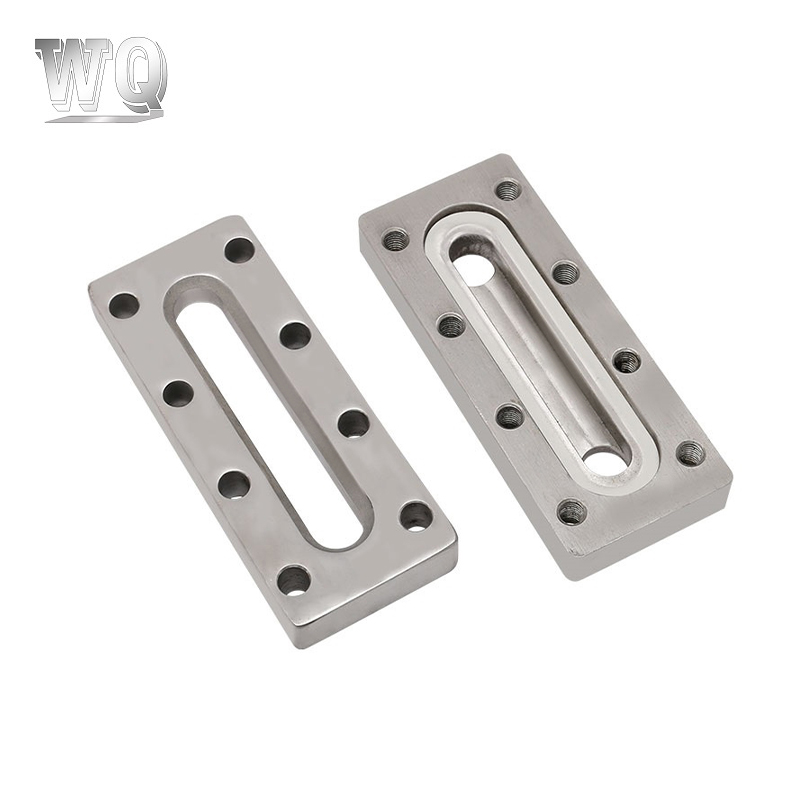
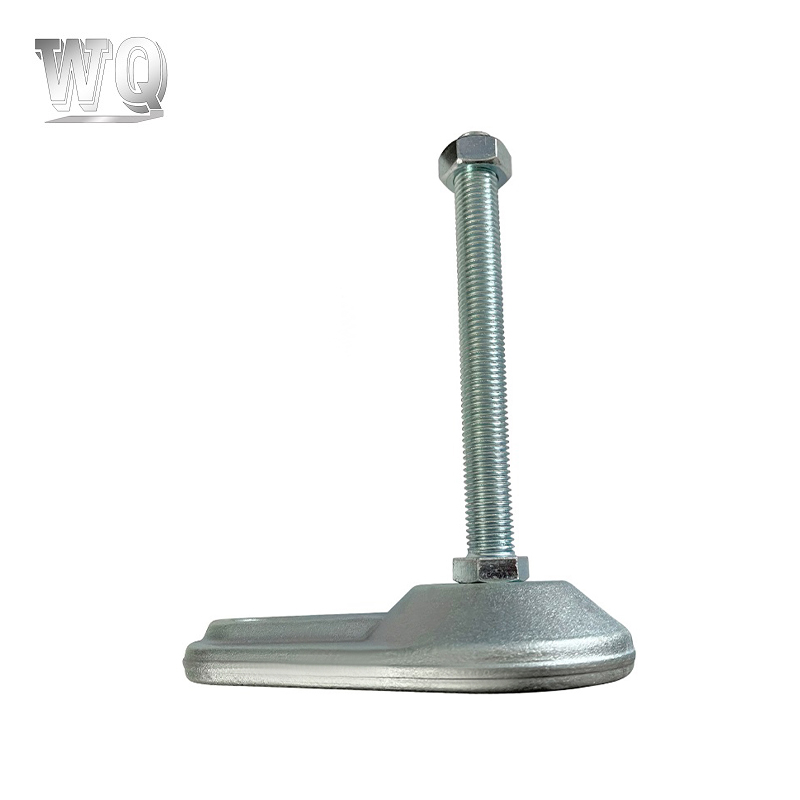
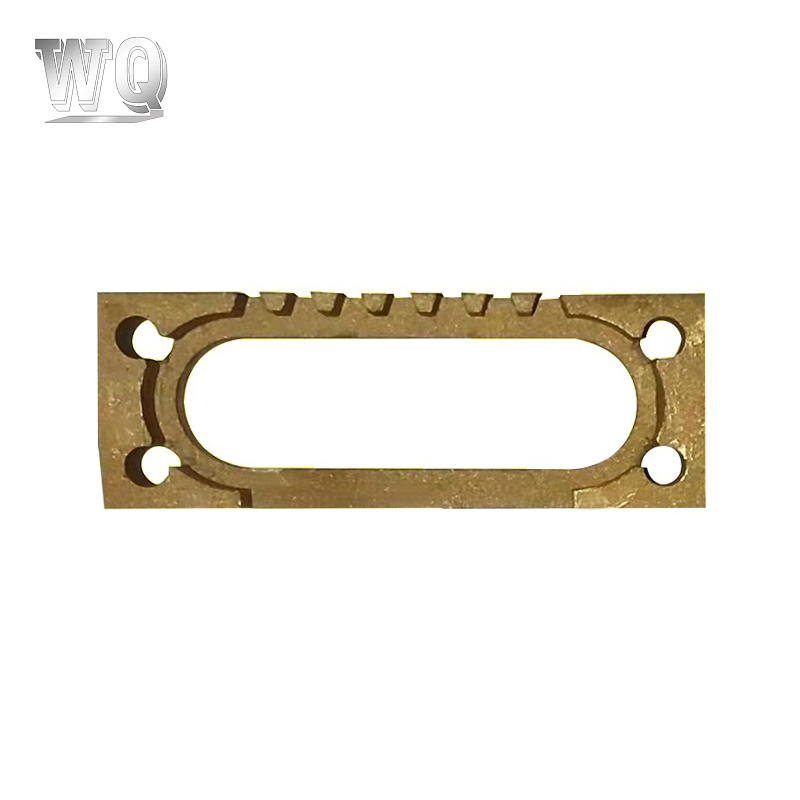
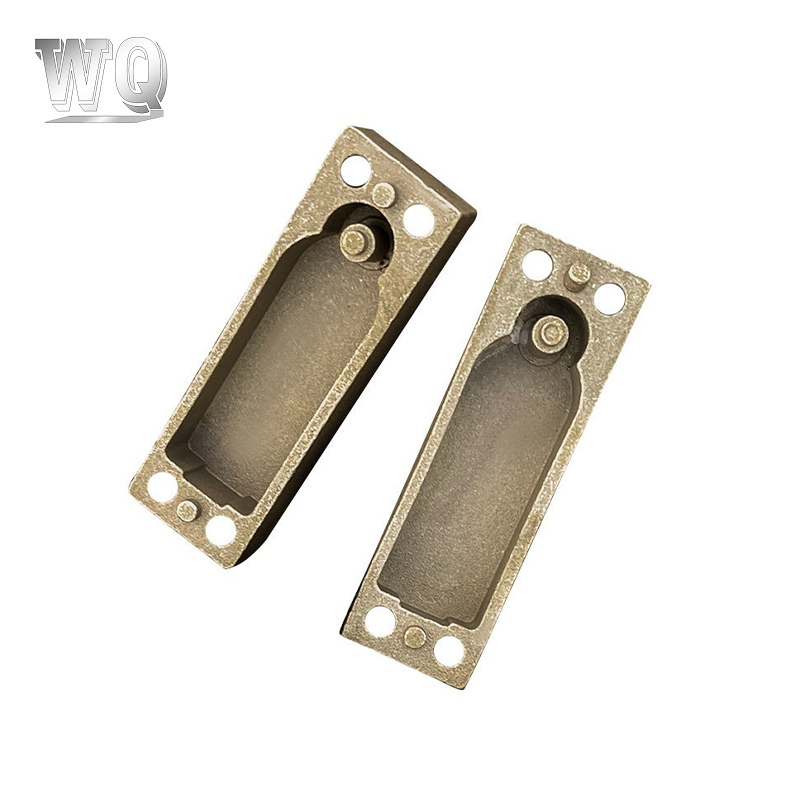
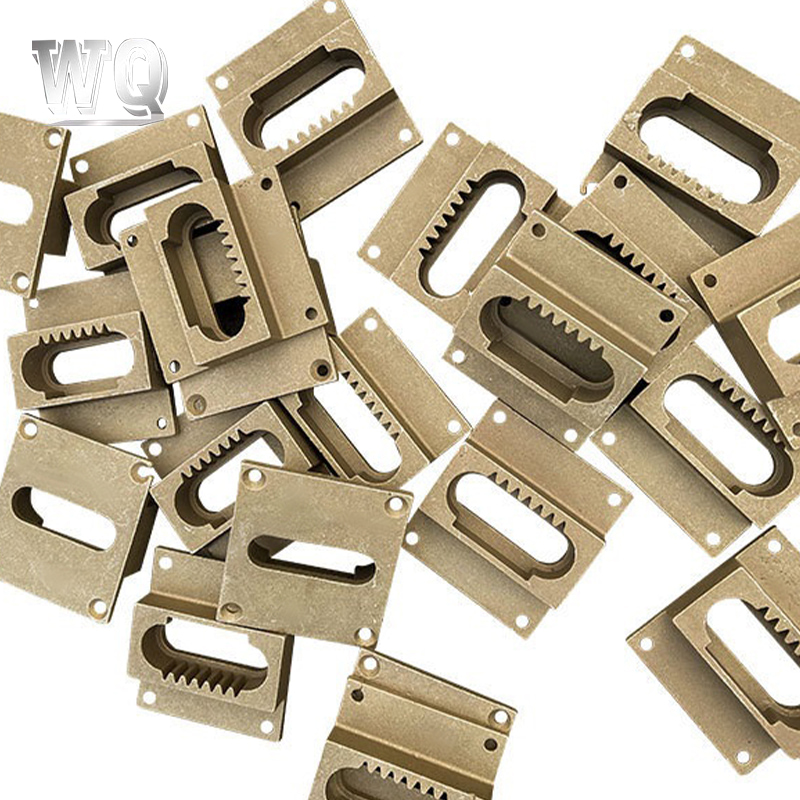
Stainless steel casting parts are crucial components used in a wide range of industries, including automotive, aerospace, and machinery manufacturing. These parts are made by pouring molten stainless steel into a mold to create complex shapes and components with high precision and durability. The process allows manufacturers to produce intricate geometries that are difficult to achieve with traditional machining methods.
Key Advantages of Stainless Steel Casting Parts
The use of stainless steel casting offers numerous benefits that make it a preferred choice for various applications. Below are some of the primary advantages:
- High corrosion resistance, ensuring longevity and durability in harsh environments.
- Ability to form complex shapes and intricate designs with minimal post-processing.
- Strong mechanical properties, including high tensile strength and resistance to deformation.
- Excellent temperature resistance, making stainless steel castings ideal for high-heat applications.
Common Applications of Stainless Steel Casting Parts
Stainless steel casting parts are used in various sectors where strength, corrosion resistance, and heat resistance are critical. Some common applications include:
- Automotive industry: engine components, exhaust manifolds, and turbocharger housings.
- Aerospace industry: turbine blades, landing gear components, and structural elements.
- Industrial machinery: valves, pumps, and impellers.
- Marine applications: propellers, shafts, and other parts exposed to seawater.
Factors to Consider When Choosing Stainless Steel Casting Parts
When selecting stainless steel casting parts for your specific needs, there are several important factors to consider to ensure optimal performance and cost-effectiveness:
- The grade of stainless steel: Different grades offer varying levels of corrosion resistance, strength, and cost. For example, 316 stainless steel is highly resistant to corrosion in marine environments, while 304 stainless steel is a more general-purpose alloy.
- Precision of the casting: Higher precision can reduce the need for post-processing, saving both time and money.
- Casting method: Different casting methods, such as sand casting, investment casting, or die casting, can impact the final product's quality and cost.
Conclusion
Stainless steel casting parts are vital in industries that demand high durability, strength, and resistance to environmental factors. With the ability to produce complex shapes and structures, stainless steel casting provides practical solutions for various applications. By carefully considering the material grade, casting precision, and method, you can ensure that your stainless steel casting parts meet your performance requirements and cost objectives.