


 English
 中文简体
中文简体
 Español


Content
- 1 Understanding Casting Auto Parts in Modern Vehicles
- 2 Material Properties and Their Performance Impact
- 3 Manufacturing Precision and Performance Consistency
- 4 Heat Management and Thermal Performance
- 5 Durability, Fatigue Resistance, and Long-Term Performance
- 6 Comparison of Casting Auto Parts and Forged Parts
- 7 Impact on Driving Experience and Safety
- 8 When Casting Auto Parts May Limit Performance
- 9 Practical Considerations for Car Owners and Buyers
- 10 Conclusion: Do Casting Auto Parts Affect Car Performance?
Understanding Casting Auto Parts in Modern Vehicles
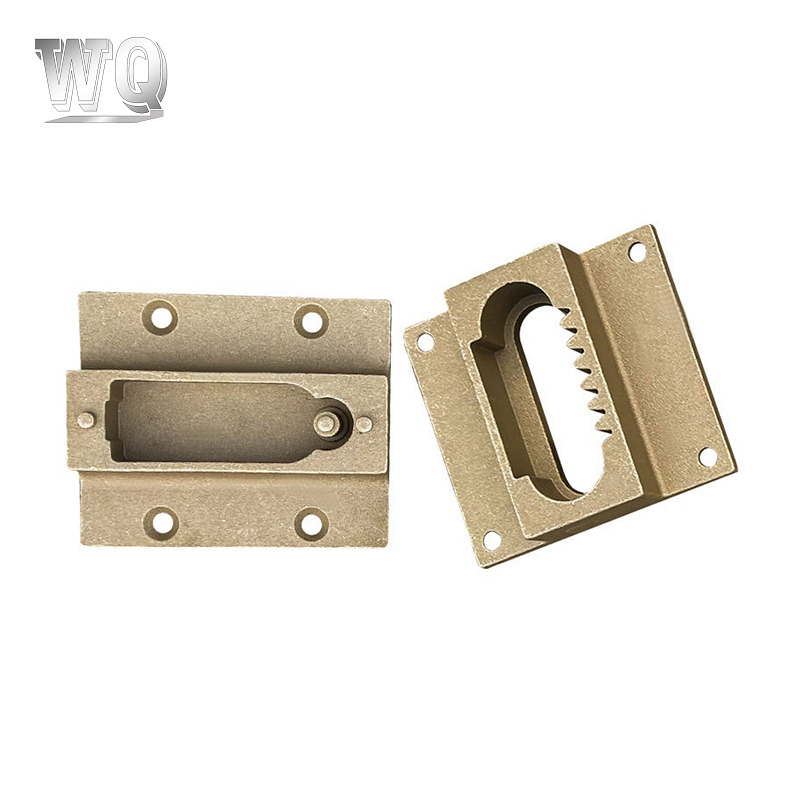
Casting auto parts are components produced by pouring molten metal into a mold and allowing it to solidify into a specific shape. This manufacturing method has been widely used in the automotive industry for decades due to its ability to create complex geometries at relatively low cost. Common casting auto parts include engine blocks, cylinder heads, brake components, suspension arms, and transmission housings. Because these parts often play critical structural or mechanical roles, many car owners and buyers question whether casting auto parts affect overall car performance.
Car performance is a broad concept that includes power output, handling, fuel efficiency, durability, and safety. The influence of casting auto parts on these aspects depends on factors such as material selection, casting process quality, design precision, and post-processing treatments. Understanding these factors helps clarify when casting enhances performance and when it may impose limitations.
Material Properties and Their Performance Impact
The materials used in casting auto parts significantly influence vehicle performance. Cast iron, aluminum alloys, and magnesium alloys are among the most common materials. Each material offers a different balance of strength, weight, heat resistance, and cost, directly affecting how a vehicle performs under various conditions.
Strength and Structural Integrity
Casting auto parts made from cast iron are known for their excellent compressive strength and wear resistance. This makes them ideal for engine blocks and brake components that must withstand high stresses. Aluminum castings, while lighter, still provide sufficient strength for many structural applications when properly engineered. If casting quality is high, these parts do not inherently reduce performance and may even enhance long-term reliability.
Weight and Its Effect on Efficiency
Vehicle weight has a direct impact on acceleration, braking, and fuel efficiency. Cast aluminum and magnesium auto parts are often chosen to reduce overall vehicle mass. Lighter engines and suspension components improve handling and fuel economy. In this context, casting auto parts can positively influence performance when lightweight alloys are used strategically.
Manufacturing Precision and Performance Consistency
One concern about casting auto parts is dimensional accuracy. Traditional casting methods may produce parts with wider tolerances compared to forged or CNC-machined components. However, modern casting technologies such as die casting and investment casting have significantly improved precision and surface finish.
When casting processes are well-controlled, the resulting parts meet strict automotive standards. Precision ensures proper fit and alignment, which is essential for maintaining engine efficiency, reducing vibration, and preventing premature wear. Poorly executed casting, on the other hand, can lead to imbalance, increased friction, and reduced performance.
Heat Management and Thermal Performance
Thermal performance is another area where casting auto parts can influence car performance. Many cast components, such as engine blocks and cylinder heads, must efficiently manage heat generated during operation. Aluminum castings are particularly valued for their high thermal conductivity, which helps dissipate heat quickly.
Effective heat management improves engine efficiency, reduces the risk of overheating, and extends component lifespan. In this regard, casting auto parts often provide a performance advantage when the material and design are optimized for thermal control.
Durability, Fatigue Resistance, and Long-Term Performance
Durability plays a crucial role in sustained car performance. Casting auto parts can exhibit excellent durability if designed correctly, but their fatigue resistance may differ from forged parts. Forging aligns the metal grain structure, often resulting in higher fatigue strength. Cast parts, however, rely more heavily on alloy composition and heat treatment to achieve comparable performance.
Modern automotive castings often undergo processes such as heat treatment, surface finishing, and quality inspection to minimize internal defects like porosity. When these measures are applied, casting auto parts can deliver long-term performance that meets or exceeds automotive requirements.
Comparison of Casting Auto Parts and Forged Parts
To better understand performance implications, it is useful to compare casting auto parts with forged alternatives. Each method has advantages and trade-offs that affect vehicle behavior and cost.
| Aspect | Casting Auto Parts | Forged Auto Parts |
| Design Complexity | High, complex shapes possible | Limited by forging dies |
| Weight Optimization | Excellent with light alloys | Good but often heavier |
| Fatigue Strength | Moderate to high | Very high |
| Cost Efficiency | Lower for mass production | Higher manufacturing cost |
Impact on Driving Experience and Safety
Casting auto parts also influence the driving experience. Suspension components produced through casting can be engineered for optimal stiffness and vibration damping, improving ride comfort. Brake components cast from high-quality alloys provide consistent braking performance and heat resistance, directly affecting safety.
From a safety perspective, casting auto parts are extensively tested to meet regulatory standards. When properly designed and manufactured, they do not compromise crashworthiness or vehicle stability. Instead, they allow manufacturers to balance safety, performance, and cost effectively.
When Casting Auto Parts May Limit Performance
While casting offers many advantages, there are scenarios where it may limit performance. High-performance sports cars or racing vehicles often rely on forged or billet components for critical parts due to extreme stress and fatigue demands. In such cases, casting auto parts may not provide the same margin of safety or performance under continuous high loads.
However, for everyday passenger vehicles, commercial cars, and even many performance-oriented models, well-engineered cast parts are more than sufficient and do not negatively affect overall car performance.
Practical Considerations for Car Owners and Buyers
For most drivers, the presence of casting auto parts should not be a concern. Instead, attention should be given to overall vehicle design, manufacturer reputation, and maintenance practices. High-quality casting, combined with proper engineering, ensures reliable performance across a vehicle’s lifespan.
- Casting auto parts are widely used in mass-produced vehicles without sacrificing performance.
- Lightweight cast components can improve fuel efficiency and handling.
- Quality control and material selection are more important than the manufacturing method alone.
Conclusion: Do Casting Auto Parts Affect Car Performance?
Casting auto parts do affect car performance, but not in a negative way by default. Their impact depends on how they are designed, manufactured, and applied within the vehicle. High-quality casting can enhance efficiency, manage heat effectively, and reduce weight, all of which contribute positively to performance.
In modern automotive engineering, casting auto parts are a reliable and essential solution. For most vehicles on the road, they provide an optimal balance of performance, durability, safety, and cost, making them a cornerstone of today’s automotive industry.