


 English
 中文简体
中文简体
 Español


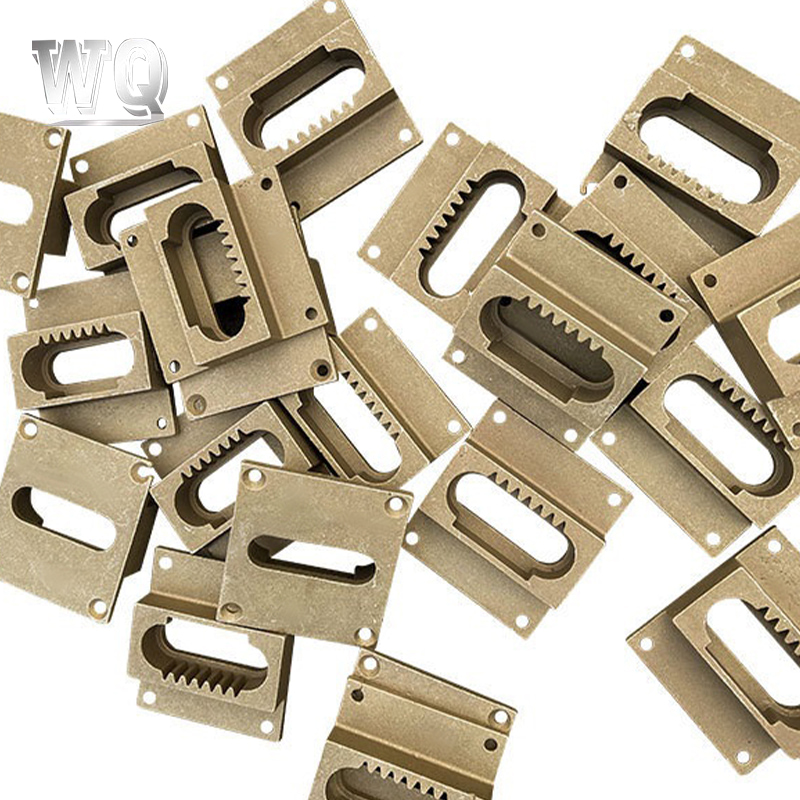
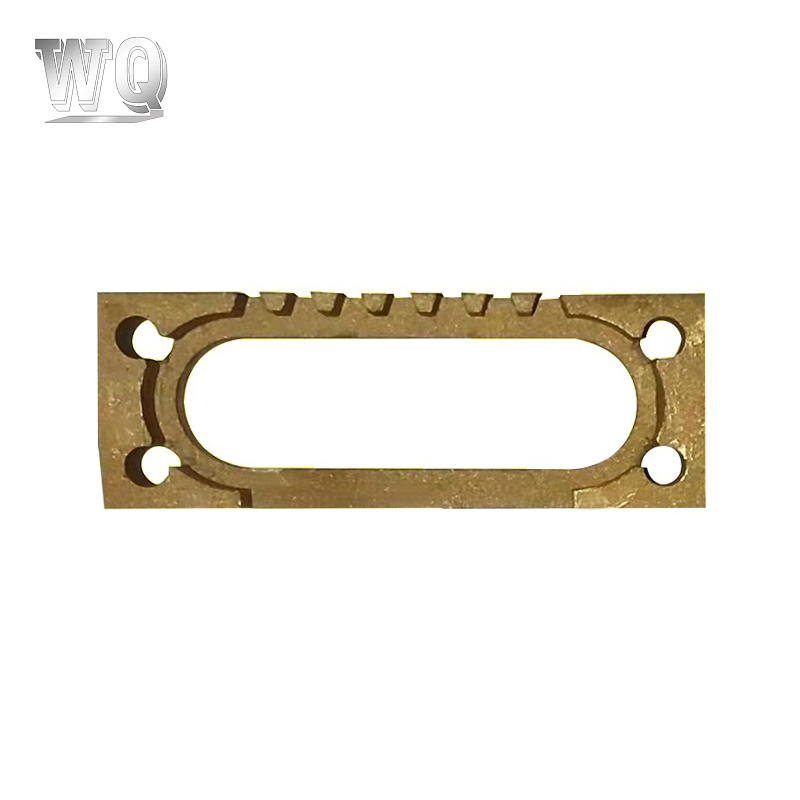
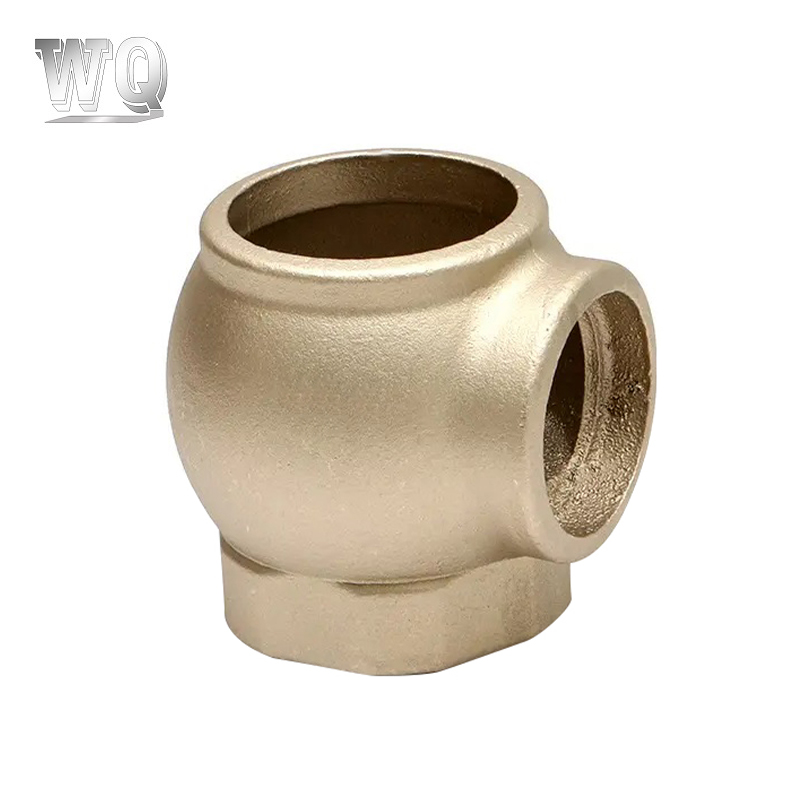
Copper casting parts are essential components in industries requiring high thermal conductivity, corrosion resistance, and electrical efficiency. Unlike steel or aluminum, copper alloys such as bronze and brass offer unique properties that make them indispensable for marine hardware, electrical connectors, and heavy-duty bearings. The casting process allows these complex alloys to be formed into intricate shapes that would be difficult or expensive to machine from solid stock, providing a cost-effective solution for high-performance applications.
The versatility of copper casting lies in the ability to tailor alloy compositions for specific needs. For instance, adding tin to copper creates bronze, which is harder and more resistant to metal fatigue, while adding zinc creates brass, which is more machinable and aesthetically pleasing. Understanding these distinctions is crucial for engineers and procurement specialists selecting materials for critical infrastructure.
Content
Key Copper Alloys for Casting
Pure copper is rarely used for casting structural parts due to its softness and tendency to absorb gases during melting. Instead, various alloys are employed to enhance mechanical properties. The most common categories include bronzes, brasses, and copper-nickel alloys.
Bronze (Copper-Tin)
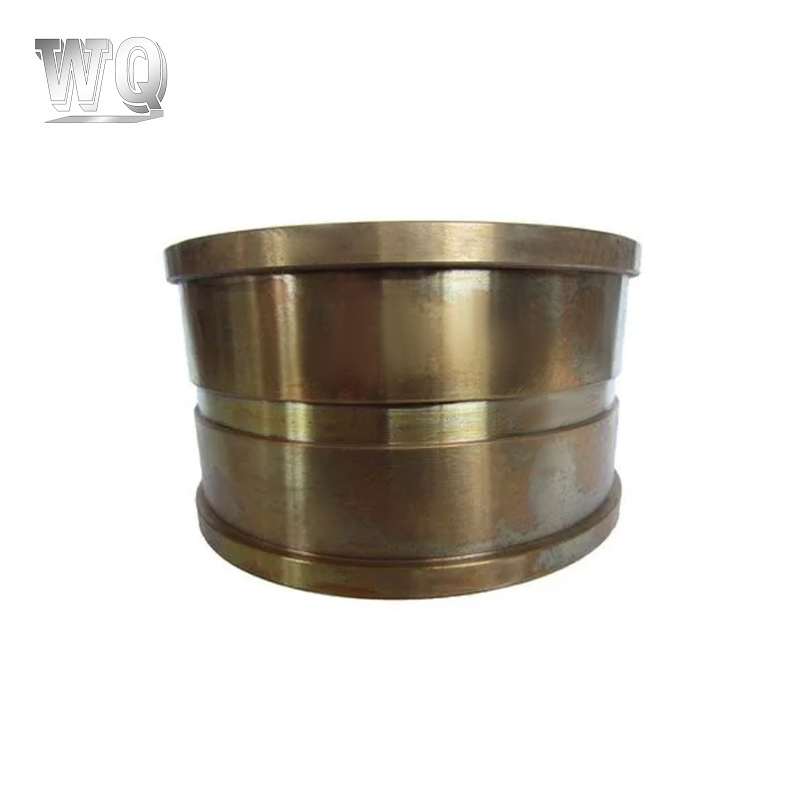
Bronze is the most widely used copper alloy for casting parts subject to wear and corrosion. Tin bronze, in particular, offers excellent strength and hardness. It is commonly used for pump impellers, valve bodies, and bushings. Phosphor bronze, which includes a small amount of phosphorus, provides even higher fatigue resistance and is ideal for spring contacts and heavy-load bearings.
Brass (Copper-Zinc)
Brass casts easily and has good mechanical properties, though it is generally less strong than bronze. It is often used for decorative architectural hardware, plumbing fittings, and electrical components. Lead-free brass variants are increasingly required for potable water applications to comply with health regulations.
| Alloy Type | Primary Elements | Key Property | Typical Application |
|---|---|---|---|
| Tin Bronze | Cu, Sn | High Strength, Wear Resistance | Gears, Bushings |
| Aluminum Bronze | Cu, Al | Corrosion Resistance | Marine Propellers, Valves |
| Red Brass | Cu, Zn, Sn | Castability, Pressure Tightness | Plumbing Fittings |
Casting Processes for Copper Alloys
The method used to cast copper parts significantly affects their surface finish, dimensional accuracy, and internal integrity. Selecting the right process depends on the complexity of the part, production volume, and required tolerances.
Sand Casting
Sand casting is the most common method for producing large copper casting parts, such as pump housings and valve bodies. It is cost-effective for low to medium volumes and allows for very large component sizes. However, the surface finish is rougher, and additional machining is often required to meet precise specifications.
Investment Casting (Lost Wax)
Investment casting is used for intricate, high-precision parts like turbine blades or complex jewelry. This process offers excellent surface finish and tight tolerances, reducing the need for post-casting machining. While more expensive per unit than sand casting, it is ideal for complex geometries that are difficult to machine.
Continuous Casting
For standard shapes like rods, tubes, and bars, continuous casting is highly efficient. It produces a dense, uniform grain structure with minimal porosity, resulting in superior mechanical properties. These semi-finished products are often used as stock for further machining into final components.
Industrial Applications and Benefits
Copper casting parts are critical in sectors where failure is not an option. Their unique combination of properties ensures reliability in harsh environments.
- Marine Industry: Aluminum bronze and nickel-aluminum bronze castings are used for propellers, stern tubes, and underwater fasteners due to their exceptional resistance to saltwater corrosion and biofouling.
- Electrical Engineering: High-conductivity copper castings are used for switchgear components, busbars, and transformer parts, ensuring efficient power transmission with minimal heat generation.
- Industrial Machinery: Bronze bushings and bearings are preferred for heavy-load, low-speed applications because they can operate with minimal lubrication and resist galling against steel shafts.
Furthermore, copper alloys are naturally antimicrobial, making them suitable for healthcare settings where hygiene is paramount. Touch surfaces made from copper castings can reduce the presence of harmful bacteria by up to 99.9% within two hours.
Quality Control and Defect Prevention
Producing high-quality copper casting parts requires rigorous quality control to prevent common defects such as porosity, shrinkage, and inclusions. Porosity, caused by trapped gas, can weaken the part and lead to leaks in pressure-containing applications.
To mitigate these issues, foundries employ techniques such as degassing the molten metal and using proper gating systems to ensure smooth flow. Non-destructive testing (NDT) methods, including X-ray radiography and ultrasonic testing, are routinely used to inspect internal integrity. For critical components, chemical analysis via spectrometry ensures the alloy composition meets strict ASTM or ISO standards, guaranteeing performance and longevity.