


 English
 中文简体
中文简体
 Español


Upgrading to high-quality BBQ grill stainless steel parts is the most effective way to extend the lifespan of your outdoor cooking setup and ensure consistent heat distribution. Specifically, components made from 304-grade stainless steel offer superior resistance to rust and high temperatures compared to standard 430 grades or porcelain-coated alternatives. For serious pitmasters, investing in these durable materials eliminates the frequent need for replacements and maintains food safety by preventing flaking coatings from contaminating meals.
Content
Understanding Stainless Steel Grades for Grills
Not all stainless steel is created equal. The longevity of your grill parts depends heavily on the specific alloy used. The two most common types found in the market are 304 and 430 stainless steel. Understanding the chemical composition and performance differences is crucial for making an informed purchase.
304 vs. 430 Stainless Steel
Grade 304 contains approximately 18% chromium and 8% nickel. The addition of nickel significantly enhances its corrosion resistance, making it ideal for coastal areas or humid climates where salt and moisture accelerate rusting. In contrast, Grade 430 contains 17% chromium but lacks nickel. While it is magnetic and less expensive, it is more prone to oxidation over time.
| Feature | 304 Stainless Steel | 430 Stainless Steel |
|---|---|---|
| Nickel Content | 8-10.5% | None |
| Corrosion Resistance | Excellent | Moderate |
| Magnetic | No (Generally) | Yes |
| Best Use Case | Cooking grates, burners, coastal areas | Side panels, lids, dry climates |
Essential Stainless Steel Components for Upgrade
When refurbishing or building a custom grill, certain parts benefit more from stainless steel construction than others. Prioritizing these components ensures maximum impact on performance and durability.
Cooking Grates and Heat Tents
Cooking grates are the most critical contact point for food. Stainless steel grates, particularly those with a diameter of 9mm or thicker, provide excellent sear marks and retain heat effectively. Unlike cast iron, they do not require seasoning to prevent rust, though they benefit from it for non-stick properties. Heat tents (or flavorizer bars) shield the burners from dripping grease. Stainless steel tents resist burn-through better than porcelain-coated steel, often lasting 3-5 years longer under heavy use.
Burner Tubes and Control Panels
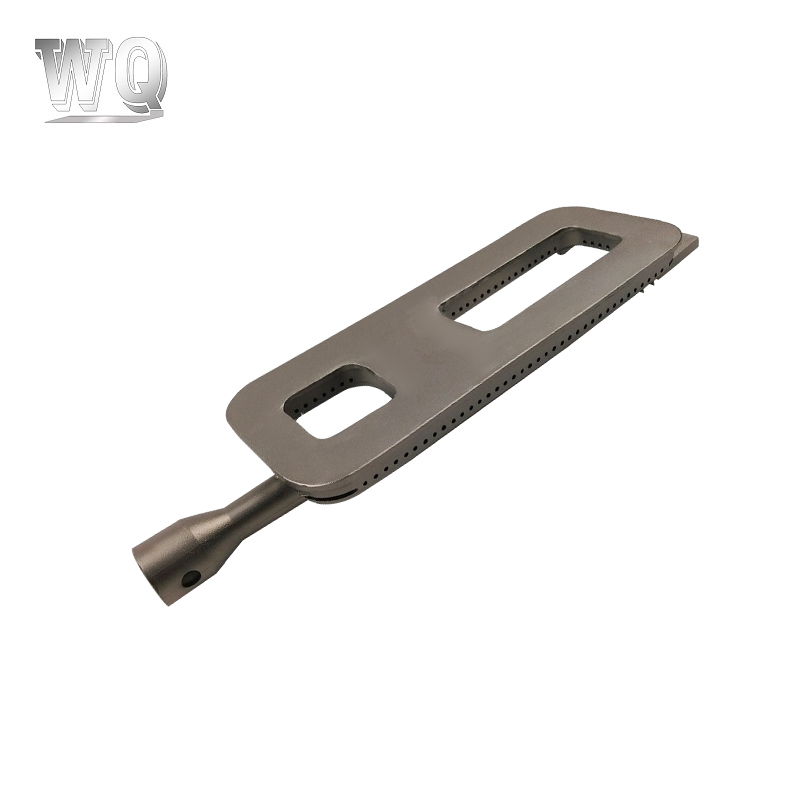
Replacing rusted burner tubes with stainless steel versions ensures consistent gas flow and flame pattern. Look for burners with a wall thickness of at least 1.2mm to prevent hot spots and premature failure. Stainless steel control panels also maintain their aesthetic appeal, resisting discoloration from heat and weather exposure.
Maintenance and Care for Longevity
Even the highest quality stainless steel requires proper care to maintain its appearance and structural integrity. Neglect can lead to surface rust, especially in harsh environments.
- Regular Cleaning: Brush grates while warm to remove food residue. Use a mild detergent and water for deeper cleaning; avoid harsh chloride-based cleaners which can pit the surface.
- Protection from Elements: Use a fitted grill cover when not in use. This prevents accumulation of pollen, rain, and dust that can trap moisture against the metal.
- Oil Application: Apply a thin layer of cooking oil to grates before long periods of storage. This creates a barrier against oxygen and moisture, preventing surface oxidation.
If surface rust does appear, it can often be removed with a paste of baking soda and water or a specialized stainless steel cleaner. Abrasive steel wool should be avoided as it can leave behind particles that rust, worsening the problem.
Conclusion
Investing in BBQ grill stainless steel parts is a decision that pays dividends in performance, safety, and longevity. By choosing 304-grade stainless steel for high-wear components like grates and burners, you ensure resistance to rust and heat degradation. Proper maintenance, including regular cleaning and protection from the elements, will keep these parts functioning like new for years. Whether you are repairing an existing unit or building a custom smoker, prioritizing high-quality stainless steel is the foundation of a reliable outdoor kitchen.