


 English
 中文简体
中文简体
 Español


Content
- 1 Introduction to Copper and Aluminum Castings
- 2 Material Properties
- 3 Mechanical Strength and Durability
- 4 Thermal and Electrical Conductivity
- 5 Corrosion Resistance
- 6 Weight Considerations
- 7 Manufacturing and Machinability
- 8 Comparison Table: Copper vs Aluminum Castings
- 9 Applications Based on Material Selection
- 10 Conclusion
Introduction to Copper and Aluminum Castings
Copper and aluminum castings are widely used in industrial, automotive, and construction applications due to their versatility and performance characteristics. Understanding the differences between these two materials is essential for selecting the appropriate casting for specific functions.
Material Properties
The inherent properties of copper and aluminum affect casting performance, durability, and suitability for different environments. These properties include density, strength, thermal and electrical conductivity, and corrosion resistance.
Copper Castings
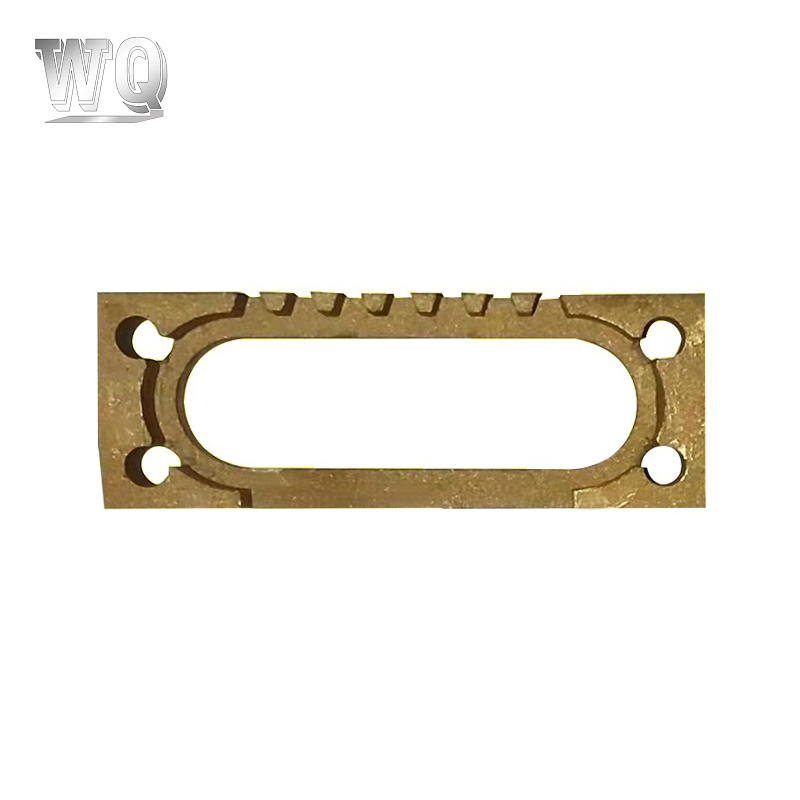
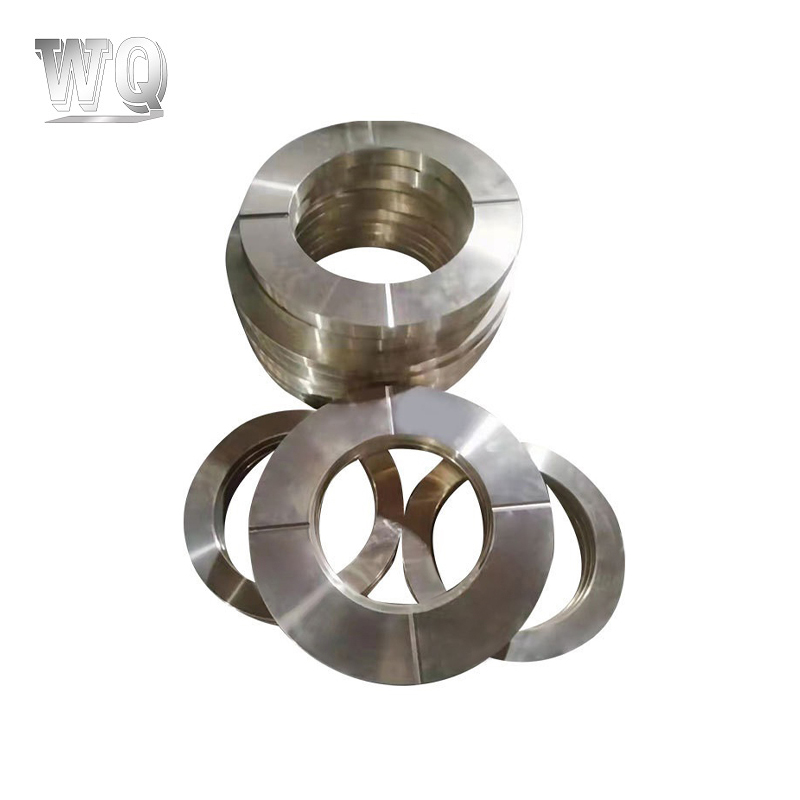
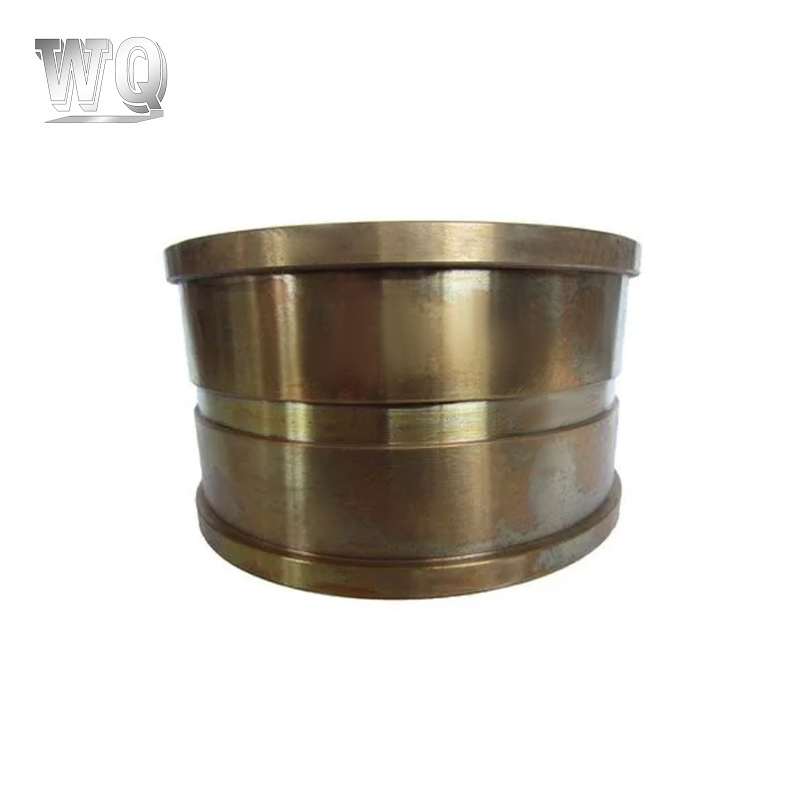
Copper Casting Parts are known for their excellent thermal and electrical conductivity. They have high corrosion resistance in many environments, making them ideal for plumbing, heat exchangers, and electrical components. Copper also has good wear resistance and can withstand high temperatures without losing structural integrity.
Aluminum Castings
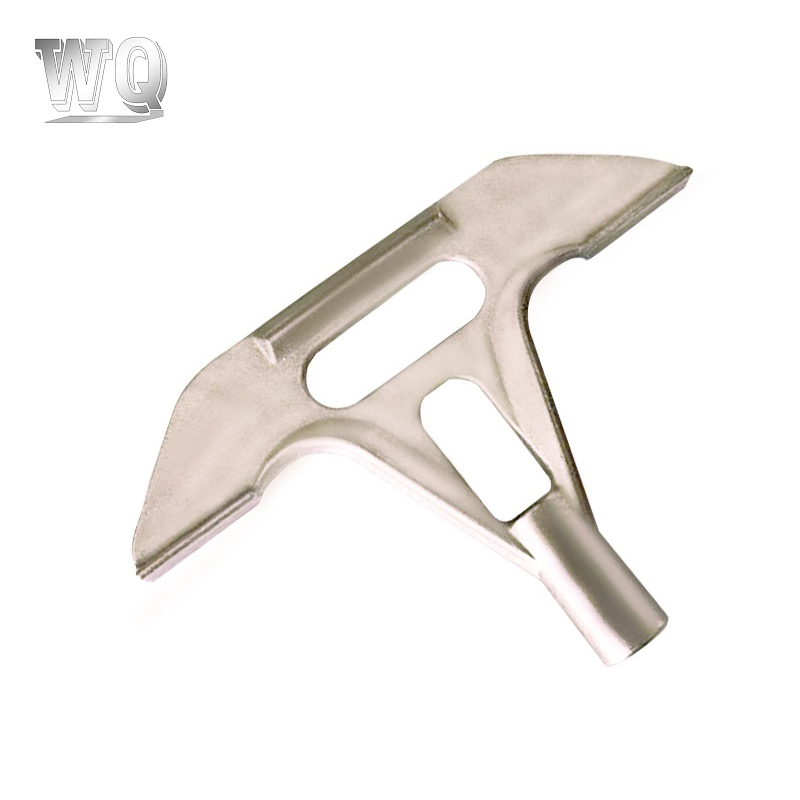
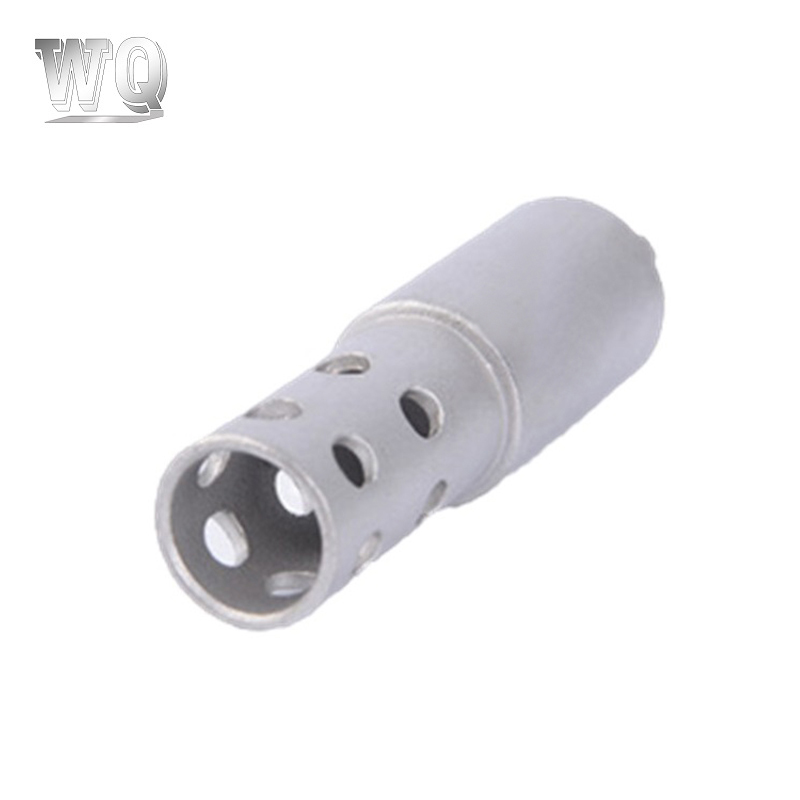
Aluminum castings are lightweight, corrosion-resistant, and easy to machine. They provide moderate strength and good thermal conductivity, making them suitable for automotive engine parts, housings, and lightweight structural components. Aluminum is also less dense than copper, which reduces overall weight in applications where this is important.
Mechanical Strength and Durability
Mechanical performance is a critical consideration when choosing between copper and aluminum castings. Factors include tensile strength, hardness, wear resistance, and fatigue performance.
- Copper castings exhibit higher tensile strength and better wear resistance, making them ideal for components subjected to high loads or abrasive conditions.
- Aluminum castings are lighter but offer moderate strength; they are suitable for applications where weight reduction is crucial but extreme mechanical stress is not a concern.
Thermal and Electrical Conductivity
The conductivity of a material affects its performance in electrical and heat transfer applications.
- Copper castings have superior thermal and electrical conductivity, making them ideal for electrical connectors, heat exchangers, and industrial heating elements.
- Aluminum castings have good thermal conductivity but lower electrical conductivity than copper; they are commonly used in automotive engine components and heat sinks.
Corrosion Resistance
Corrosion resistance determines the longevity of cast components in various environments.
- Copper castings resist corrosion from water, atmospheric exposure, and many chemicals, making them suitable for plumbing and marine applications.
- Aluminum castings develop a protective oxide layer that resists corrosion; however, they may be susceptible to galvanic corrosion when in contact with dissimilar metals in humid or marine environments.
Weight Considerations
Weight can be a decisive factor for automotive and aerospace applications.
- Copper castings are dense and heavy, providing stability and durability but increasing the weight of the final assembly.
- Aluminum castings are significantly lighter, offering advantages in fuel efficiency and ease of handling for large structures or mobile equipment.
Manufacturing and Machinability
The ease of casting and post-processing affects production efficiency and cost.
- Copper castings require higher melting temperatures and careful control to avoid porosity, making them slightly more complex to produce.
- Aluminum castings melt at lower temperatures, are easier to cast, and can be machined quickly, reducing manufacturing time and cost.
Comparison Table: Copper vs Aluminum Castings
| Property | Copper Castings | Aluminum Castings |
| Density | High (Heavy) | Low (Lightweight) |
| Tensile Strength | High | Moderate |
| Thermal Conductivity | Excellent | Good |
| Electrical Conductivity | Excellent | Moderate |
| Corrosion Resistance | Excellent | Good (Oxide layer) |
| Machinability | Moderate | High |
| Applications | Plumbing, electrical, heat exchangers | Automotive, aerospace, lightweight structures |
Applications Based on Material Selection
Selecting the right material depends on application-specific requirements such as load, conductivity, environmental exposure, and weight considerations.
Copper Casting Applications
Copper castings are preferred in electrical components, plumbing fixtures, heat exchangers, and industrial machinery due to their superior conductivity, corrosion resistance, and strength.
Aluminum Casting Applications
Aluminum castings are ideal for automotive engine parts, lightweight structural components, aerospace parts, and consumer products where reduced weight, ease of machining, and moderate strength are important.
Conclusion
Copper and aluminum castings offer distinct advantages depending on performance requirements. Copper provides excellent strength, conductivity, and corrosion resistance but is heavier and more costly to process. Aluminum offers lightweight, easy machinability, and adequate strength, making it suitable for applications prioritizing weight reduction and cost efficiency. Understanding these differences ensures the optimal selection of castings for industrial, automotive, and construction applications.