


 English
 中文简体
中文简体
 Español


Content
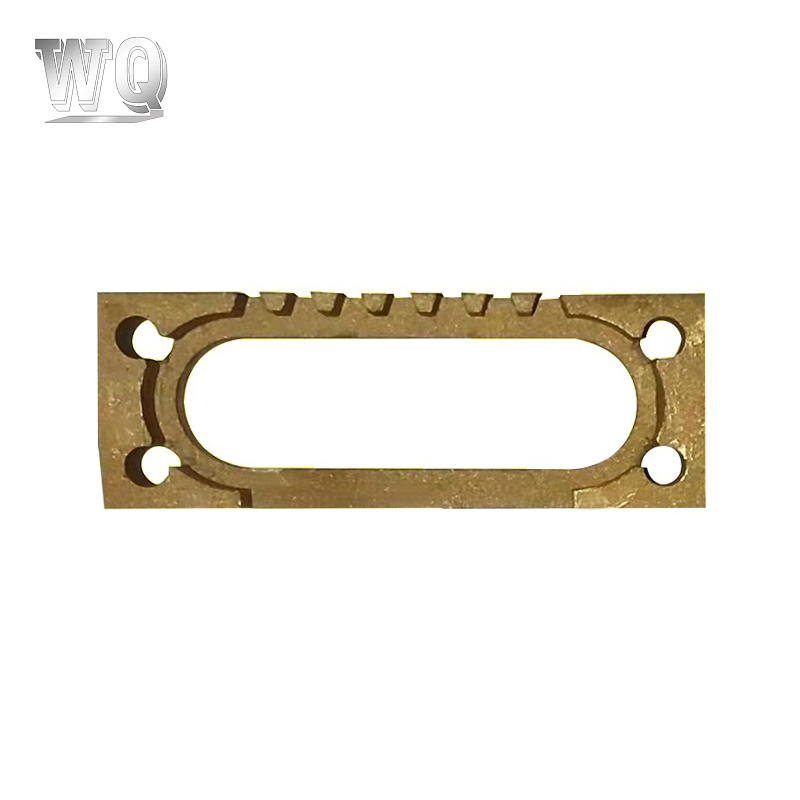
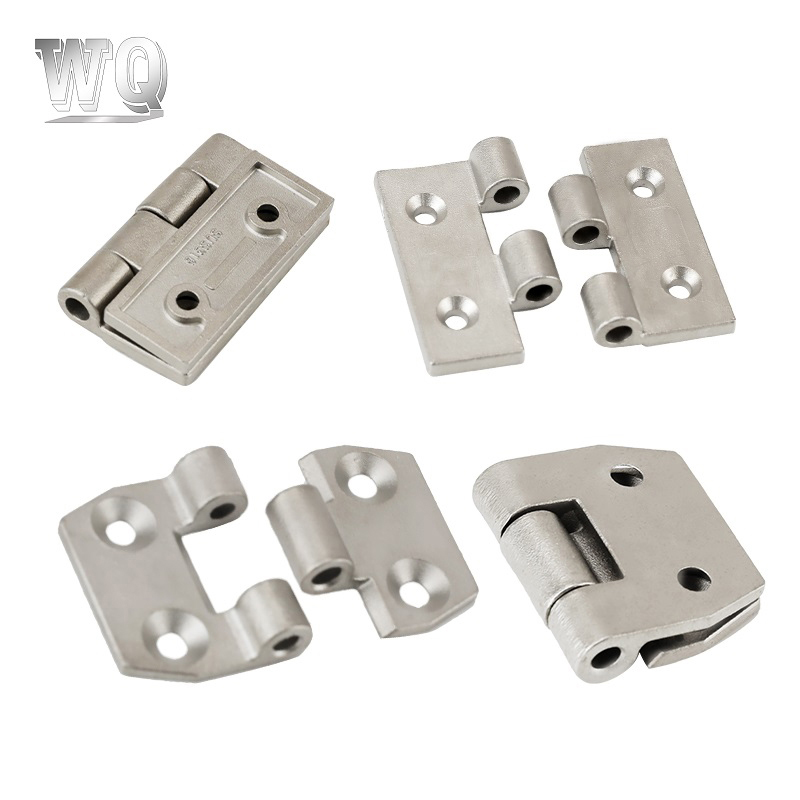
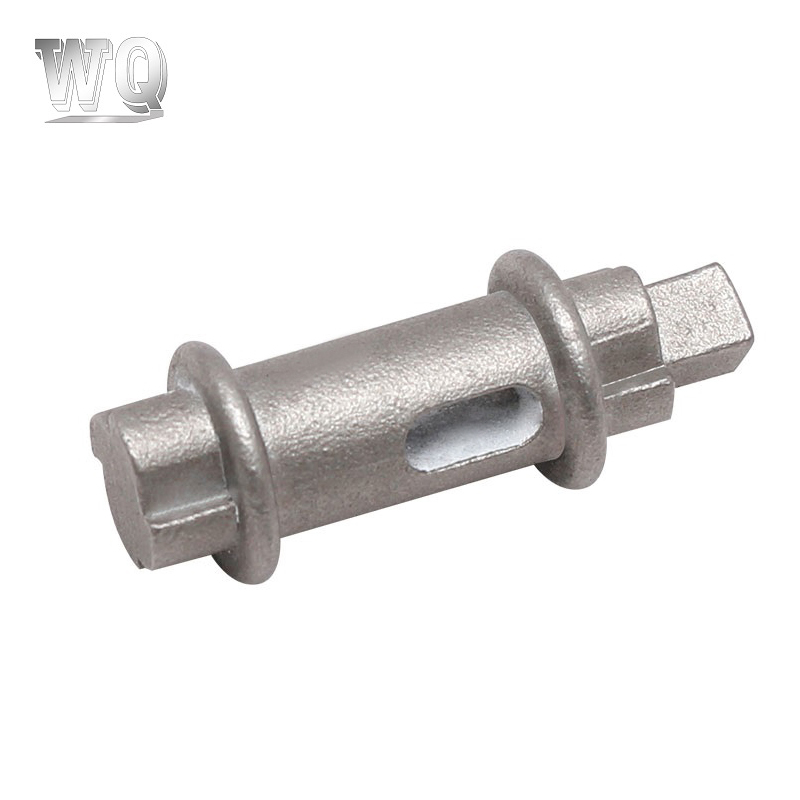
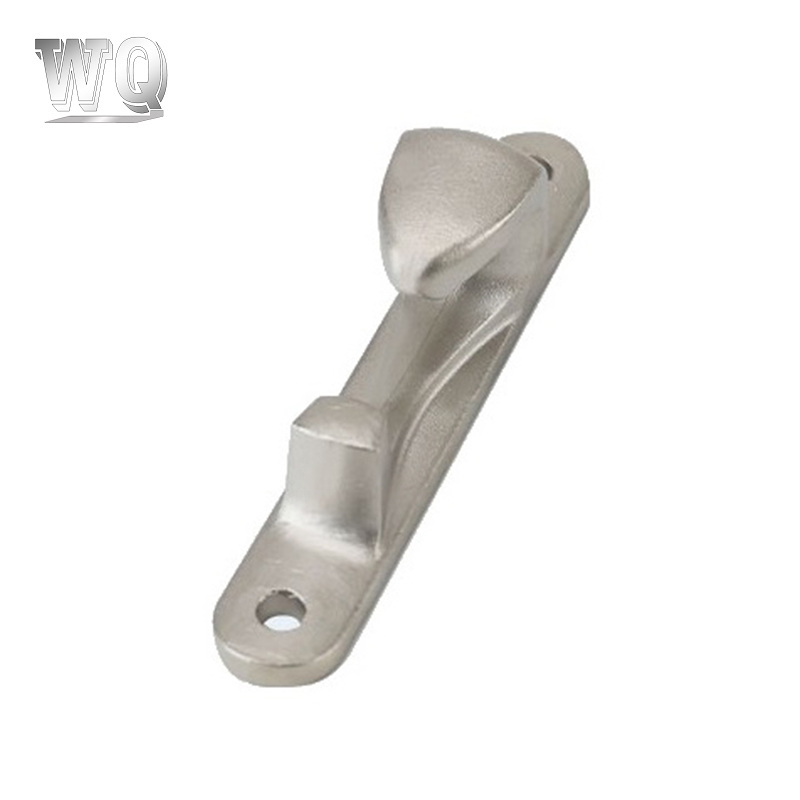
Introduction to Copper Casting Parts
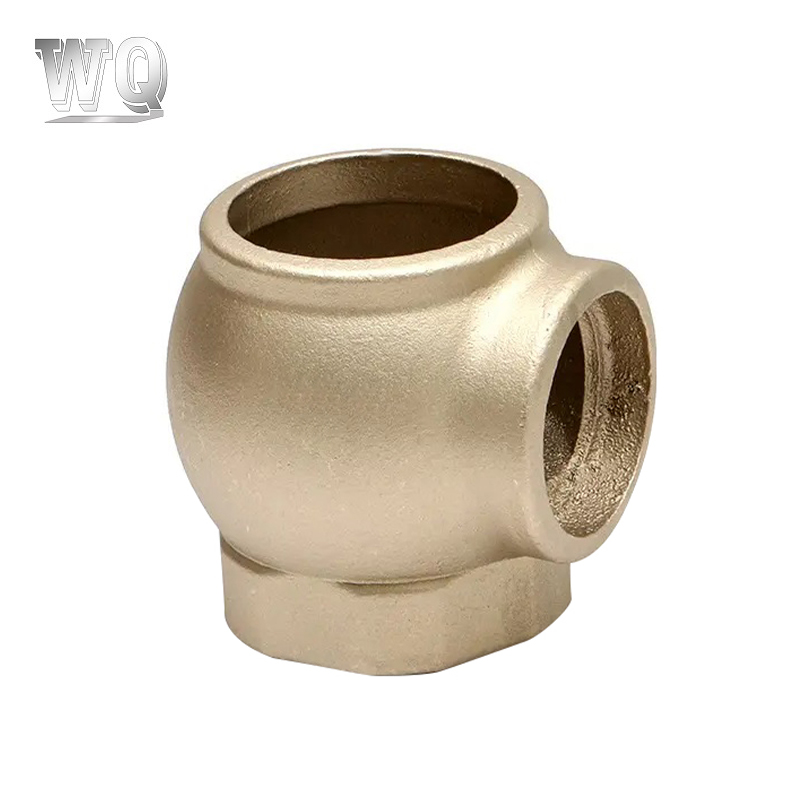
Copper casting parts are essential components in a wide range of industrial, engineering, and manufacturing applications. Known for their excellent thermal and electrical conductivity, corrosion resistance, and machinability, these parts are used in industries such as automotive, electrical, plumbing, and machinery. Copper casting allows complex shapes and precision designs, making it a versatile material choice for functional and durable components.
Material Properties of Copper Casting Parts
Thermal and Electrical Conductivity
Copper is widely valued for its high thermal and electrical conductivity. Copper casting parts are used in applications where heat dissipation or efficient electrical transmission is critical. Components like heat exchangers, electrical connectors, and busbars benefit from copper's ability to conduct energy with minimal loss.
Corrosion Resistance
Copper exhibits excellent resistance to corrosion, especially in water and atmospheric environments. This property ensures longevity for plumbing fittings, marine equipment, and industrial machinery, reducing maintenance costs and ensuring reliable performance over time.
Mechanical Strength and Durability
While relatively soft compared to steel, copper casting parts provide sufficient mechanical strength for many industrial applications. Alloying with elements such as zinc, tin, or nickel can enhance hardness, tensile strength, and wear resistance. This versatility allows copper components to meet specific performance requirements.
Workability and Machinability
Copper casting parts are easy to machine, cut, or shape, making them ideal for precision components. The ability to cast intricate designs reduces assembly complexity and enables manufacturers to create highly customized parts for specialized applications.
Industrial Applications of Copper Casting Parts
Automotive Industry
Copper casting parts are widely used in vehicles for electrical connectors, radiators, heat exchangers, and bearings. Their thermal conductivity helps manage engine and brake system heat, while corrosion resistance ensures long-term durability under varied environmental conditions.
Electrical and Electronics
In electrical applications, copper casting parts are used for busbars, terminal blocks, and conductive connectors. The high conductivity reduces energy loss and improves efficiency in power distribution, renewable energy systems, and electronic devices.
Plumbing and HVAC Systems
Copper fittings, valves, and pipes are essential in plumbing and HVAC systems. The corrosion resistance and thermal performance of copper casting parts make them ideal for water, heating, and refrigeration systems, ensuring reliability and safety over decades of use.
Industrial Machinery and Equipment
Copper casting parts are used in pumps, valves, compressors, and other machinery components. Their strength, conductivity, and corrosion resistance improve the efficiency and lifespan of industrial equipment, especially in chemical, marine, and energy sectors.
Comparison of Copper Casting Alloys
| Alloy | Key Properties | Common Applications |
| Pure Copper | High conductivity, corrosion-resistant | Electrical connectors, heat exchangers |
| Brass (Cu-Zn) | Improved strength, machinable | Plumbing fittings, valves, gears |
| Bronze (Cu-Sn) | Wear-resistant, corrosion-resistant | Bearings, bushings, marine parts |
| Copper-Nickel | Excellent corrosion resistance, durable | Marine hardware, chemical equipment |
Manufacturing Techniques
Sand Casting
Sand casting is widely used for copper components with complex geometries. Molten copper is poured into sand molds, producing durable parts suitable for both small and large-scale production.
Investment Casting
Investment casting allows for high-precision parts with intricate details. Wax patterns are coated with ceramic, molten copper is poured, and the wax is removed, producing accurate components for demanding applications such as aerospace or electronics.
Continuous Casting and Forging
Continuous casting produces long sections like rods and bars for further machining. Forging enhances mechanical properties and strength, particularly for load-bearing components.
Maintenance and Longevity
Corrosion Prevention
Even though copper resists corrosion, regular inspection and cleaning prevent oxidation and patina buildup in visible or critical components. Protective coatings can be applied for enhanced resistance in harsh environments.
Wear and Mechanical Stress Management
Lubrication, load management, and proper installation reduce wear and mechanical stress, extending the lifespan of copper casting parts in moving machinery or high-pressure applications.
Conclusion
Copper casting parts combine versatility, durability, and excellent material properties, making them ideal for applications across automotive, electrical, plumbing, and industrial sectors. By understanding the alloys, manufacturing methods, and maintenance practices, engineers and manufacturers can optimize performance, reduce costs, and achieve reliable, long-lasting results.