


 English
 中文简体
中文简体
 Español


Content
- 1 Introduction to Copper Casting Parts
- 2 Material Properties of Copper Castings
- 3 Manufacturing Techniques for Copper Castings
- 4 Applications in Complex Machinery
- 5 Advantages of Copper Casting Parts
- 6 Quality Control and Standards
- 7 Future Trends in Copper Casting Technology
- 8 Conclusion: Meeting Complex Machinery Demands
Introduction to Copper Casting Parts
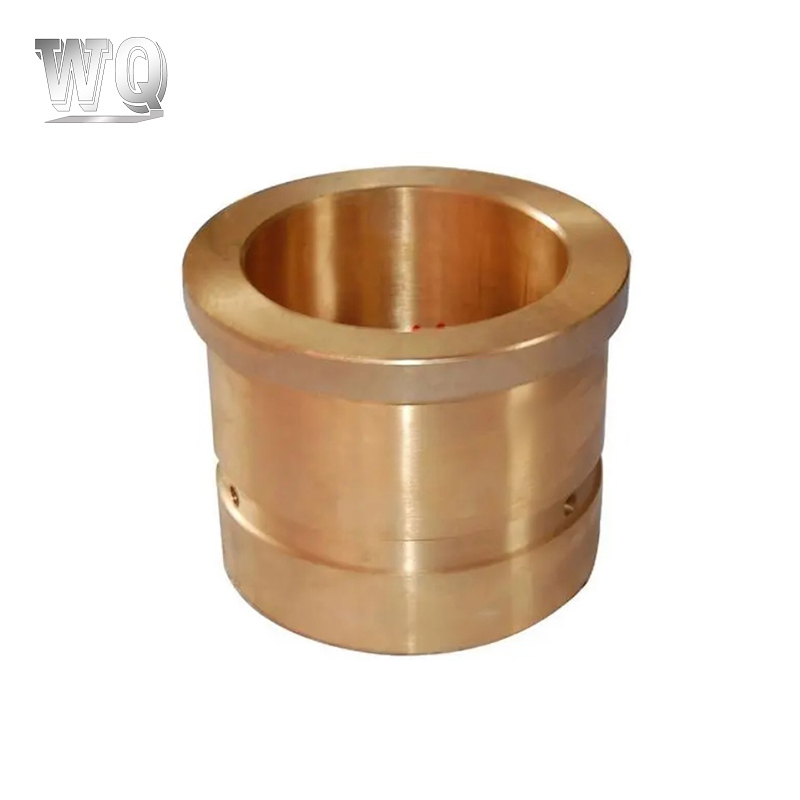
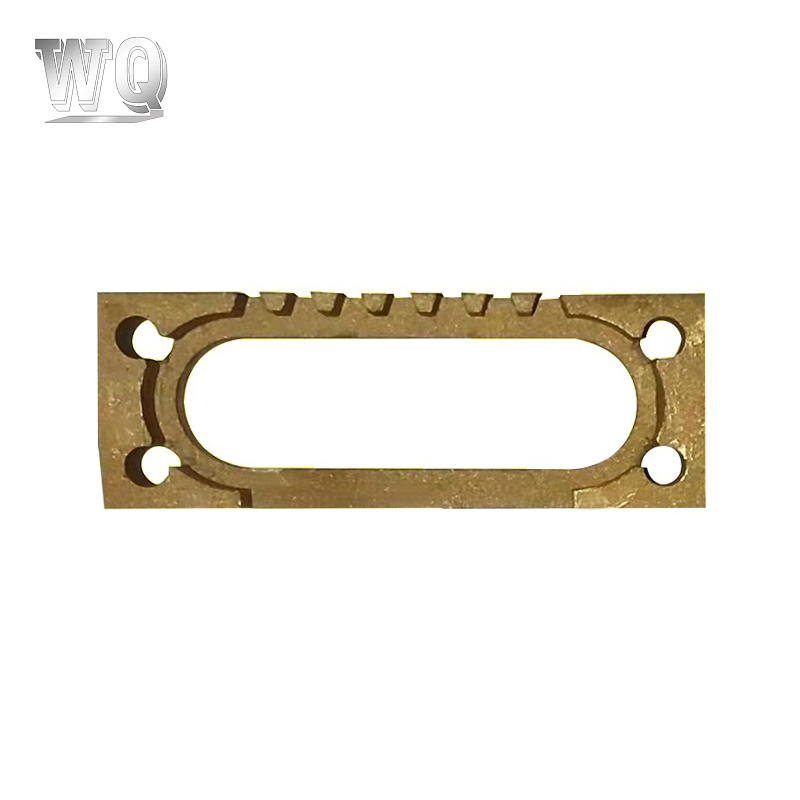
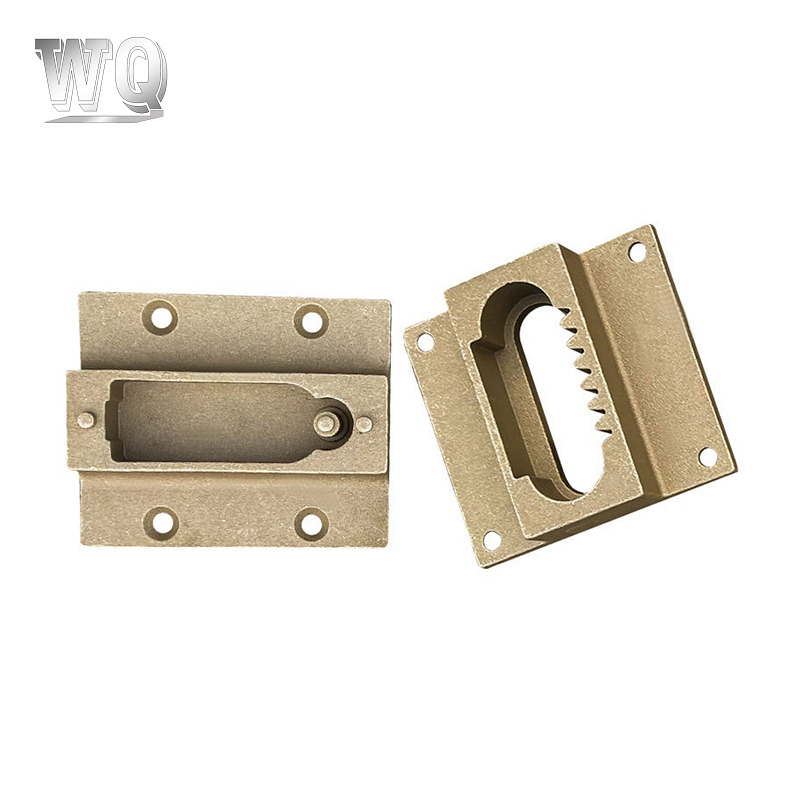
Copper casting parts play a crucial role in modern industrial machinery due to their excellent thermal and electrical conductivity, corrosion resistance, and machinability. These components are used across automotive, aerospace, electronics, and heavy machinery industries, providing both performance and reliability.
This article examines how copper casting parts can meet the complex requirements of machinery, including load-bearing, precision, thermal management, and long-term durability.
Material Properties of Copper Castings
Copper offers exceptional properties that make it suitable for demanding applications. Its high thermal and electrical conductivity ensures efficient heat dissipation and energy transfer, while its corrosion resistance maintains performance in harsh environments. Additionally, copper's ductility and strength allow for complex shapes and high-precision parts.
Different copper alloys, such as bronze and brass, further enhance mechanical properties, wear resistance, and machinability. These variations allow manufacturers to tailor parts to specific machinery requirements.
Thermal and Electrical Performance
Copper casting parts are widely used in applications requiring heat dissipation or electrical conductivity. Heat exchangers, electrical connectors, and motor components benefit from copper's ability to conduct heat and electricity efficiently, preventing overheating and energy loss.
Mechanical Strength and Durability
Copper alloys can withstand high stress and wear, making them suitable for load-bearing components in complex machinery. The material’s resistance to fatigue and deformation ensures long-term reliability, even under continuous operational stress.
Manufacturing Techniques for Copper Castings
Precision manufacturing techniques are essential for producing high-quality copper casting parts. Methods include sand casting, investment casting, and continuous casting, each offering unique advantages in terms of accuracy, surface finish, and structural integrity.
Advanced processes such as CNC machining and additive manufacturing can refine cast copper components to meet exact tolerances, making them suitable for high-precision machinery applications.
Applications in Complex Machinery
Copper casting parts are integral to a wide range of machinery. In automotive applications, they are used in engine components, bushings, and heat exchangers. Aerospace machinery relies on copper parts for hydraulic systems, thermal management, and electrical connectors. Industrial equipment, including pumps, compressors, and turbines, benefits from the wear resistance and thermal properties of copper castings.
| Machinery Type | Common Copper Parts | Key Properties | Benefit |
| Automotive | Engine bushings, heat exchangers | Strength, Thermal conductivity | Efficient performance and durability |
| Aerospace | Hydraulic connectors, electrical parts | Lightweight, Corrosion resistance | Reliable operation in harsh conditions |
| Industrial Equipment | Pump components, turbines | Wear resistance, Thermal stability | Long service life and low maintenance |
Advantages of Copper Casting Parts
Using copper casting parts in complex machinery provides multiple advantages. These components enhance reliability, maintain structural integrity under stress, and contribute to efficient energy transfer. Their machinability allows customization for unique design requirements, while their corrosion resistance reduces maintenance frequency.
- High thermal and electrical conductivity
- Excellent mechanical strength and wear resistance
- Corrosion and fatigue resistance
- Precision casting for complex geometries
Quality Control and Standards
Ensuring quality is critical for copper casting parts used in high-demand machinery. Manufacturers adhere to strict standards, including ISO certifications and metallurgical testing, to confirm composition, mechanical properties, and dimensional accuracy. Non-destructive testing, such as ultrasonic inspection, ensures defect-free components.
These quality controls guarantee that copper parts perform consistently under extreme conditions, providing safety, efficiency, and reliability.
Future Trends in Copper Casting Technology
Emerging trends include advanced alloys, improved casting techniques, and integration with digital manufacturing processes. Innovations such as additive manufacturing and 3D-printed molds allow more precise designs, reducing material waste and improving efficiency. Sustainable practices, including recycling scrap copper, further enhance the environmental profile of copper casting parts.
Conclusion: Meeting Complex Machinery Demands
Copper casting parts are highly capable of meeting the demands of complex machinery, providing a combination of strength, thermal and electrical conductivity, corrosion resistance, and precision. Their versatility makes them indispensable in automotive, aerospace, and industrial applications.
By leveraging advanced alloys, precise manufacturing techniques, and rigorous quality control, manufacturers can ensure that copper casting parts deliver reliable performance, long service life, and efficiency, making them essential components in modern machinery.