


 English
 中文简体
中文简体
 Español


Content
Introduction to Bronze Casting Parts
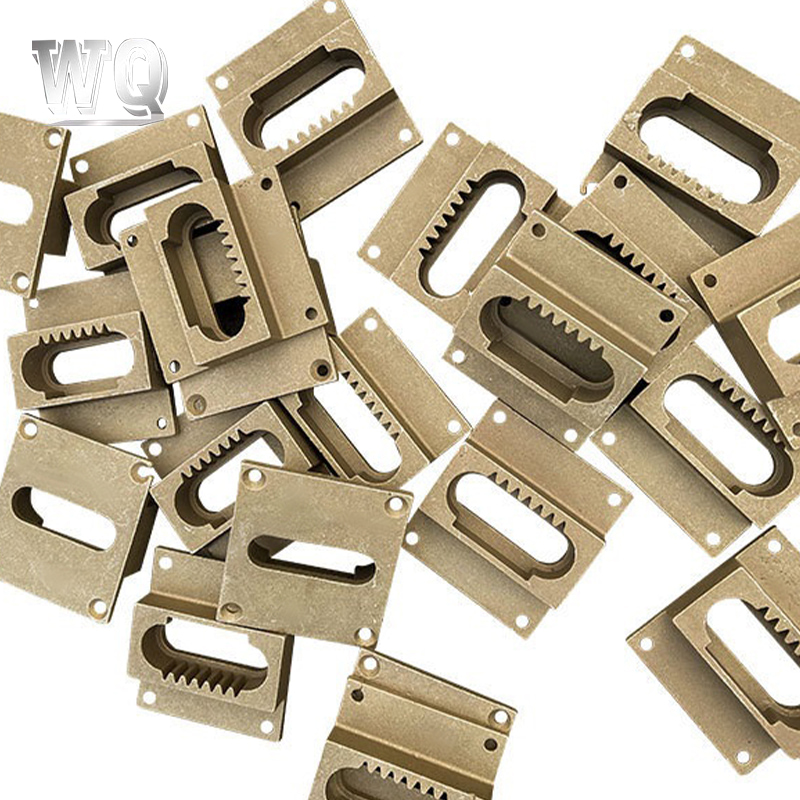
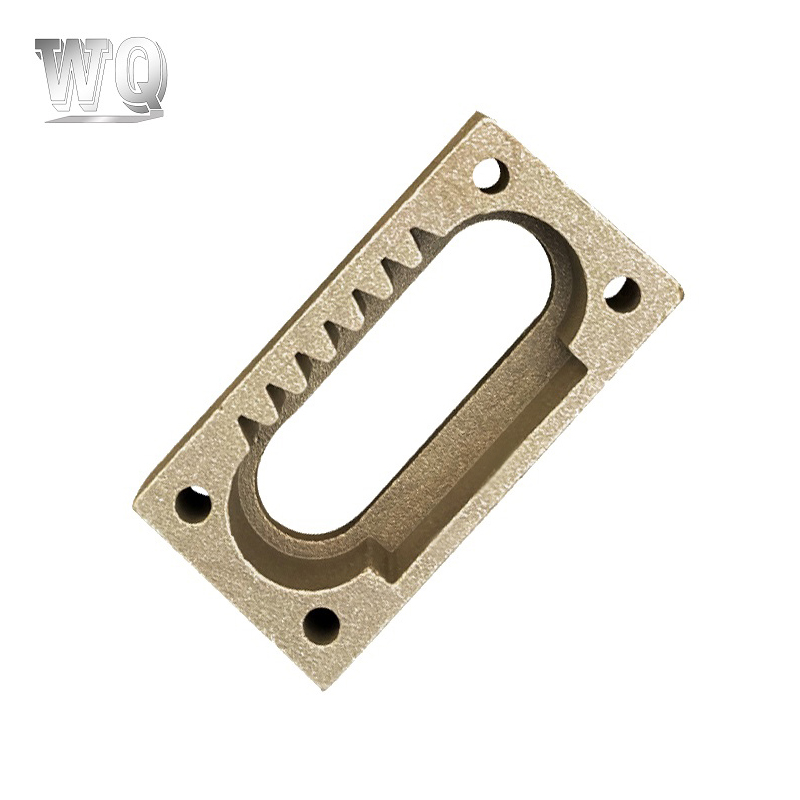
Bronze casting parts are fundamental components in modern manufacturing, valued for their exceptional durability, corrosion resistance, and mechanical strength. These parts are created by pouring molten bronze into molds, allowing for precise shapes and complex geometries that are difficult to achieve with other materials. As industries demand higher performance and longevity from machinery, bronze casting has become increasingly important.
Their applications span multiple sectors, including automotive, marine, aerospace, industrial machinery, and energy systems. The unique combination of material properties and casting versatility positions bronze casting parts as a critical solution for both traditional and advanced engineering needs.
Material Properties That Drive Industrial Adoption
Bronze is an alloy typically composed of copper and tin, sometimes with added elements like aluminum, phosphorus, or nickel. This composition provides several advantages for industrial applications:
- Excellent corrosion resistance, making it suitable for marine and chemical environments.
- High wear resistance, reducing friction and extending component lifespan.
- Good thermal and electrical conductivity for specialized industrial uses.
- Ability to withstand heavy mechanical loads and impacts.
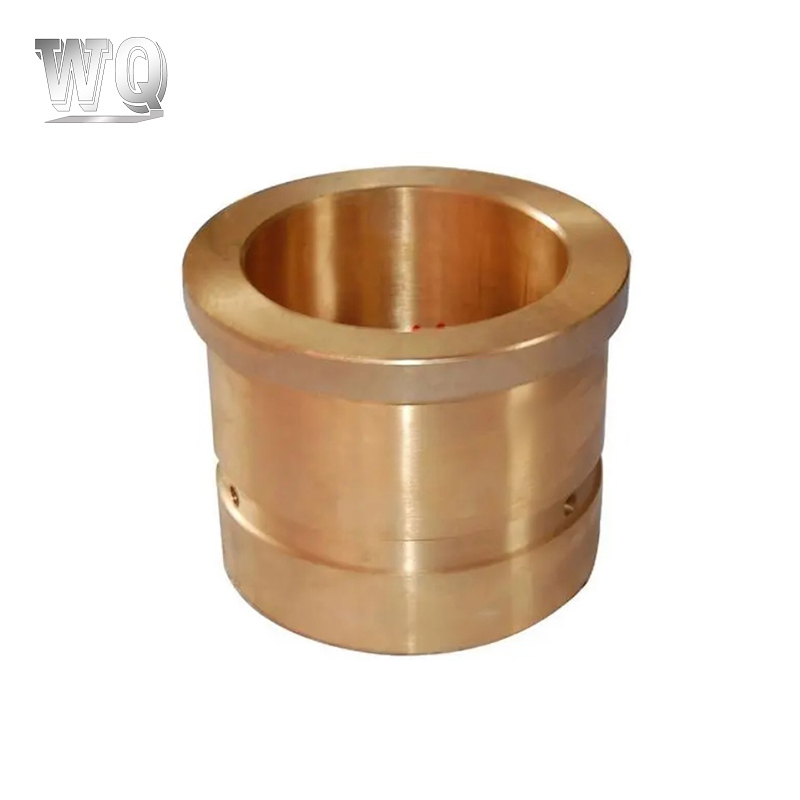
These properties make bronze casting parts ideal for components such as bearings, bushings, gears, valves, and pump parts, where reliability and durability are critical.
Casting Techniques and Precision Manufacturing
Bronze casting utilizes several methods, each suitable for different industrial requirements:
Sand Casting
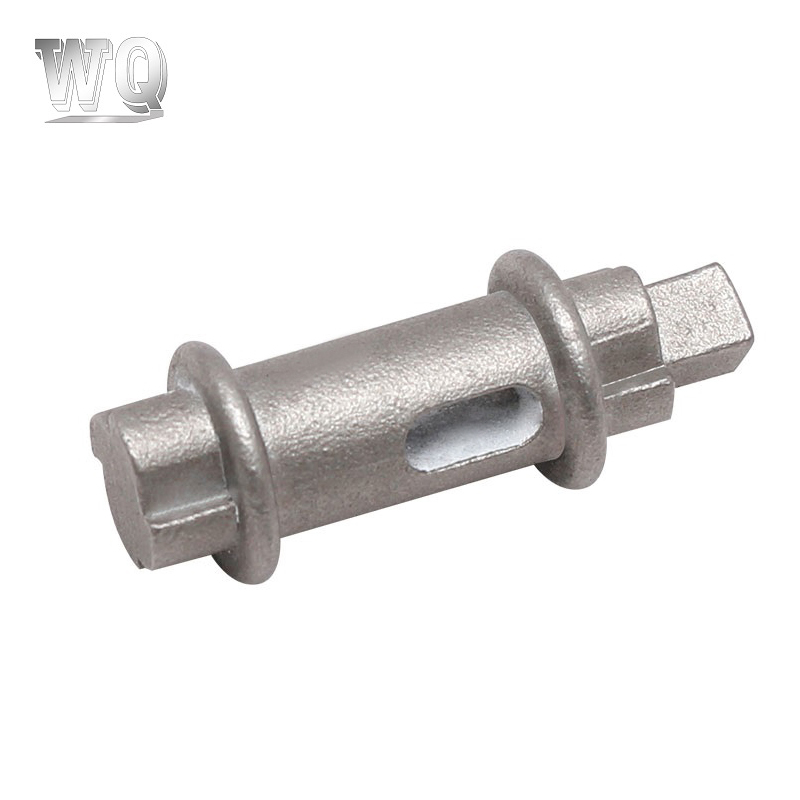
Sand casting is a versatile and cost-effective method where molten bronze is poured into a sand mold. It is suitable for large or complex parts and allows for flexibility in design changes. However, surface finish and dimensional accuracy may require post-processing.
Investment Casting
Investment casting, or lost-wax casting, produces high-precision components with excellent surface finish. This method is ideal for small to medium-sized parts requiring intricate details, such as aerospace components and high-performance industrial machinery.
Die Casting
Die casting involves forcing molten bronze into steel molds under high pressure, enabling mass production of uniform parts. This technique is suited for applications where repeatability, speed, and dimensional accuracy are critical.
Applications Across Industries
Bronze casting parts are indispensable across multiple industrial sectors due to their strength, wear resistance, and corrosion protection. Examples include:
- Automotive: Bushings, bearings, gears, and suspension components that require wear resistance and load-bearing capability.
- Marine: Propellers, pumps, and valve components that resist saltwater corrosion.
- Aerospace: Precision components subjected to high stress and temperature fluctuations.
- Industrial Machinery: Heavy-duty gears, valves, and hydraulic components requiring durability under continuous operation.
- Energy Sector: Turbine components and pump parts that need high reliability and thermal stability.
Comparing Bronze to Alternative Materials
Bronze casting parts offer a unique balance of performance characteristics when compared to steel, aluminum, and plastic components:
| Property | Steel | Aluminum | Bronze |
| Corrosion Resistance | Moderate | Good | Excellent |
| Wear Resistance | High | Moderate | Very High |
| Machinability | Moderate | Excellent | Good |
| Cost | Moderate | Low to Moderate | Moderate to High |
Future Trends in Bronze Casting
Advancements in bronze alloys, 3D printing for mold creation, and precision casting techniques are expanding the potential of bronze components. Modern engineering demands lightweight, high-strength, and corrosion-resistant solutions, which continue to drive innovation in alloy compositions and casting methods.
The integration of digital modeling and quality control technologies ensures that bronze casting parts meet precise tolerances, reduce waste, and improve overall production efficiency, shaping the next generation of industrial components.
Conclusion: Strategic Role of Bronze Casting Parts
Bronze casting parts remain a cornerstone of modern industry, providing unmatched durability, corrosion resistance, and precision. Their versatility across automotive, marine, aerospace, and industrial sectors makes them essential for high-performance applications.
As manufacturing technology continues to advance, bronze casting parts will play a critical role in shaping reliable, efficient, and long-lasting machinery, securing their position as a key component of the future industrial landscape.