


 English
 中文简体
中文简体
 Español


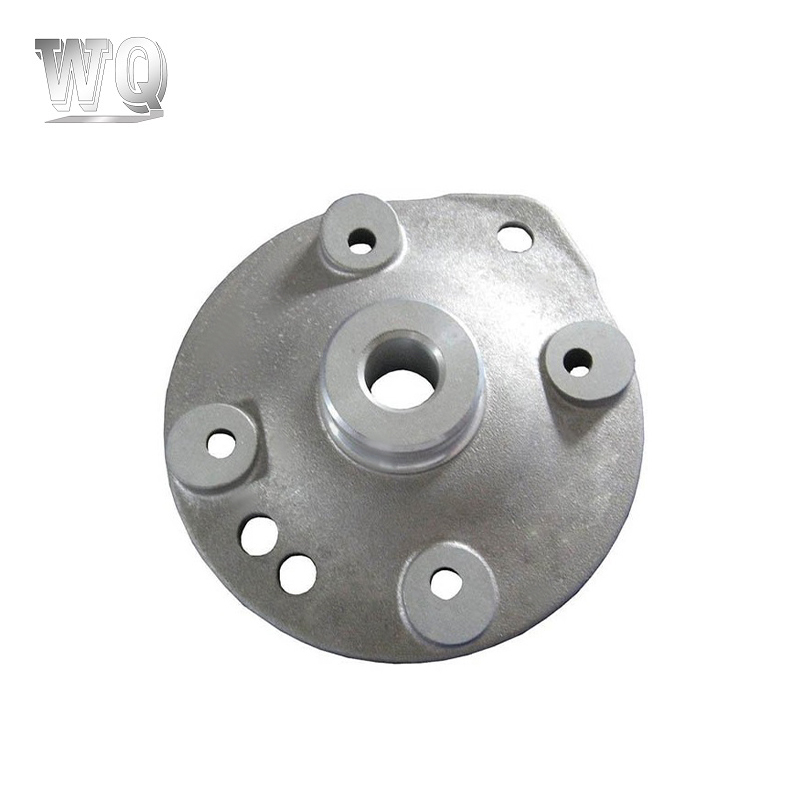
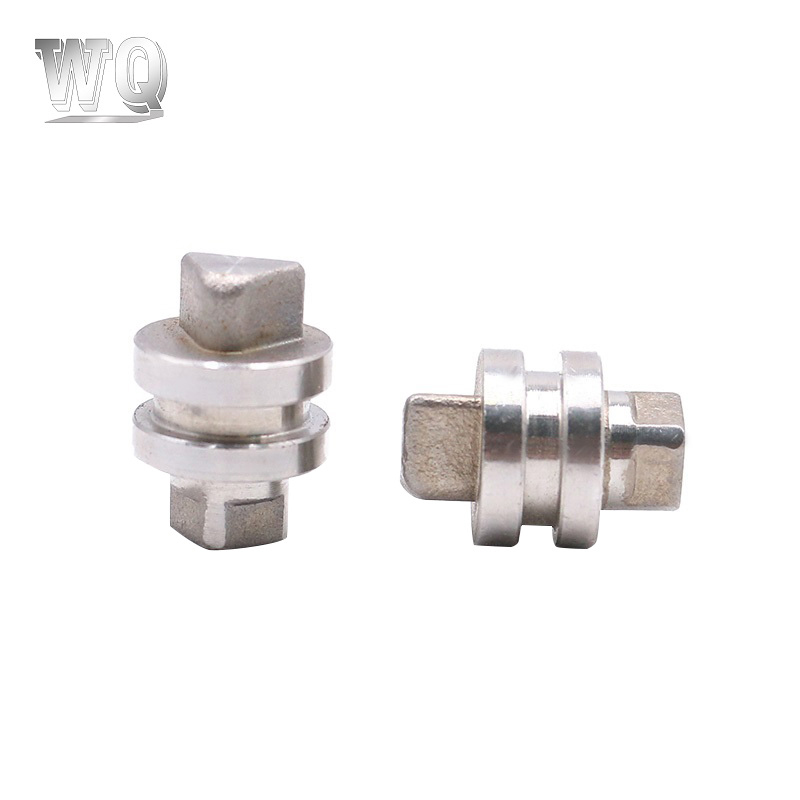
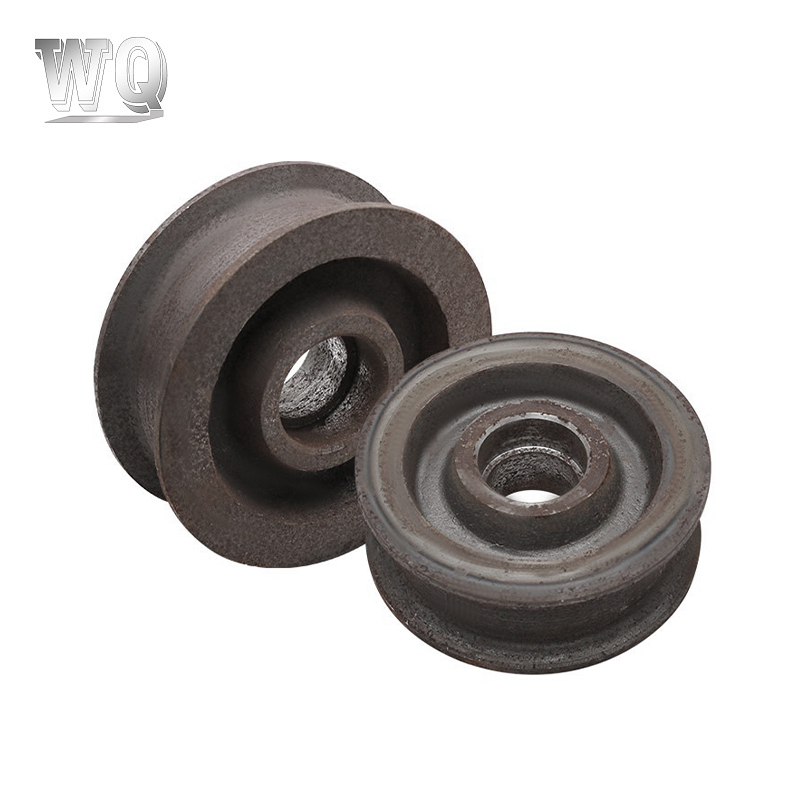
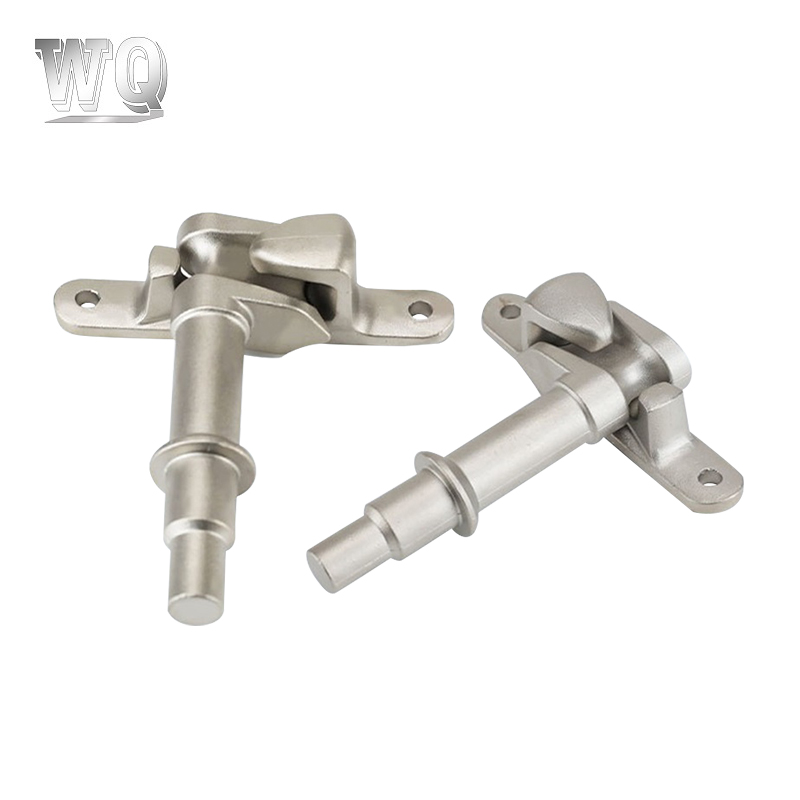
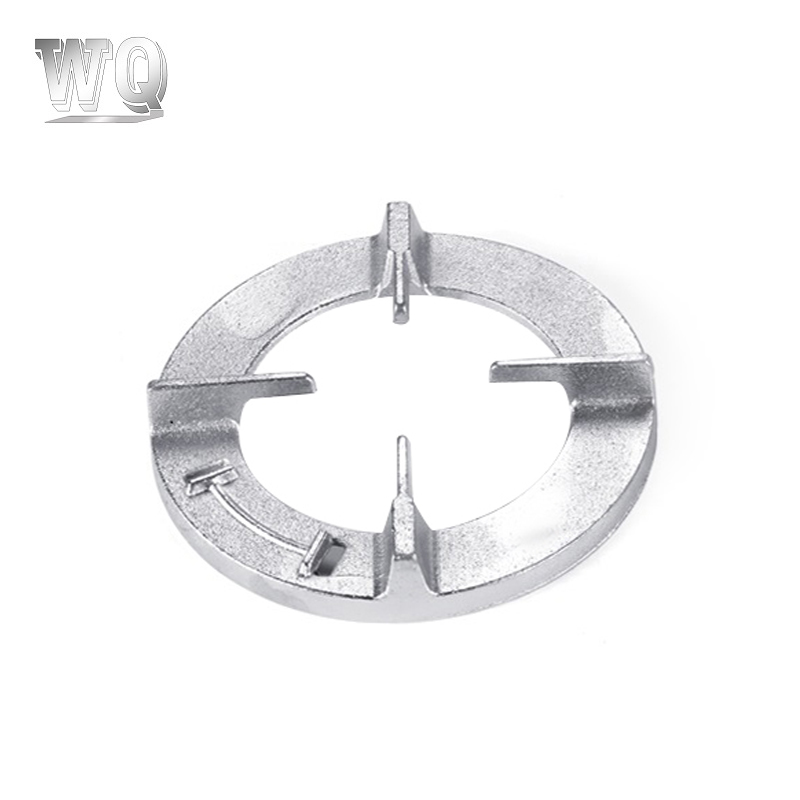
Aluminum casting parts are critical components in modern manufacturing due to their lightweight properties, excellent strength-to-weight ratio, and corrosion resistance. These parts are widely adopted across multiple industries that demand precision, durability, and performance. By understanding which industries rely most on aluminum casting components, manufacturers, designers, and suppliers can better target their solutions and optimize production processes.
Content
- 1 Automotive Industry Applications
- 2 Aerospace Industry Applications
- 3 Electronics and Electrical Industry Applications
- 4 Industrial Machinery and Equipment
- 5 Construction and Architectural Applications
- 6 Consumer Goods and Household Appliances
- 7 Advantages of Aluminum Casting in Industrial Applications
- 8 Comparison with Other Materials
- 9 Conclusion
Automotive Industry Applications
The automotive industry is one of the largest consumers of aluminum casting parts. Aluminum’s lightweight nature reduces overall vehicle weight, improving fuel efficiency and reducing emissions. High-strength aluminum alloys are used in engine blocks, cylinder heads, transmission housings, suspension components, and structural parts.
Modern vehicles increasingly use aluminum casting parts to meet stricter environmental regulations and performance requirements. Die-cast aluminum parts provide precision, durability, and a high-quality finish, making them ideal for critical engine and chassis components.
Aerospace Industry Applications
Aerospace manufacturing requires materials that are lightweight yet extremely strong. Aluminum casting parts are used in aircraft structures, engine components, landing gear, and control mechanisms. These parts must withstand high stress, temperature variations, and corrosion from exposure to environmental elements.
The ability to cast complex shapes allows aerospace engineers to design components with optimized performance while minimizing weight. This contributes to fuel efficiency, safety, and the overall structural integrity of aircraft.
Electronics and Electrical Industry Applications
Aluminum casting parts are widely used in electronics for heat sinks, housings, and connectors. The metal’s high thermal conductivity allows efficient heat dissipation, protecting sensitive electronic components. Aluminum’s electrical conductivity also makes it suitable for certain conductive applications in power electronics.
Electronics manufacturers often select cast aluminum components for custom enclosures or structural frames where precision, durability, and thermal management are critical. Lightweight aluminum also reduces shipping and handling costs.
Industrial Machinery and Equipment
Industrial machinery often incorporates aluminum casting parts in pumps, valves, gearboxes, and structural frames. Aluminum’s combination of strength and corrosion resistance makes it ideal for components exposed to harsh operating environments, including chemicals, moisture, or high temperatures.
Machinery manufacturers benefit from aluminum casting’s ability to create complex shapes and tight tolerances, reducing the need for post-processing or assembly. This improves efficiency, lowers production costs, and ensures long-term reliability.
Construction and Architectural Applications
Aluminum casting parts are increasingly used in the construction industry for architectural elements, building facades, window frames, and structural fittings. The material’s corrosion resistance and lightweight characteristics make it suitable for both indoor and outdoor applications.
Complex architectural designs benefit from the flexibility of aluminum casting, which allows for custom shapes, intricate patterns, and precise dimensions while maintaining durability and aesthetic appeal.
Consumer Goods and Household Appliances
Consumer products such as kitchen appliances, power tools, and home electronics often include aluminum casting parts. These components provide structural support, improve heat dissipation, and enhance the product’s durability and design.
The combination of lightweight, high-strength, and aesthetic finish makes aluminum castings an attractive choice for manufacturers looking to balance performance and visual appeal in consumer goods.
Advantages of Aluminum Casting in Industrial Applications
The widespread use of aluminum casting parts across industries can be attributed to multiple advantages:
- Lightweight, reducing transportation and operational costs
- Excellent strength-to-weight ratio for structural applications
- Corrosion resistance extends product lifespan
- Ability to cast complex and intricate shapes
- High dimensional accuracy and repeatability
- Good thermal and electrical conductivity for specialized components
Comparison with Other Materials
| Feature | Aluminum Casting Parts | Steel Casting Parts | Plastic Injection Parts |
| Weight | Lightweight | Heavy | Very Light |
| Strength | High | Very High | Low to Moderate |
| Corrosion Resistance | Excellent | Moderate | Variable |
| Cost | Moderate | High | Low |
Conclusion
Aluminum casting parts are indispensable across a wide range of industries, from automotive and aerospace to electronics, machinery, and construction. Their combination of lightweight, strength, corrosion resistance, and design flexibility allows manufacturers to meet rigorous performance and aesthetic requirements. Understanding the applications and advantages of aluminum casting parts helps industries optimize product design, improve efficiency, and enhance overall competitiveness in the global market.