


 English
 中文简体
中文简体
 Español


Content
- 1 Introduction to Aluminum Casting Parts
- 2 Lightweight with High Strength-to-Weight Ratio
- 3 Excellent Design Flexibility and Complex Geometry
- 4 Good Corrosion Resistance
- 5 Cost Efficiency in Medium to High Volume Production
- 6 Excellent Thermal Conductivity
- 7 Dimensional Stability and Accuracy
- 8 Versatility of Casting Processes
- 9 Environmental and Sustainability Benefits
- 10 Mechanical Performance Customization
- 11 Comparison with Other Common Materials
- 12 Wide Range of Industrial Applications
- 13 Conclusion: Why Choose Aluminum Casting Parts
Introduction to Aluminum Casting Parts
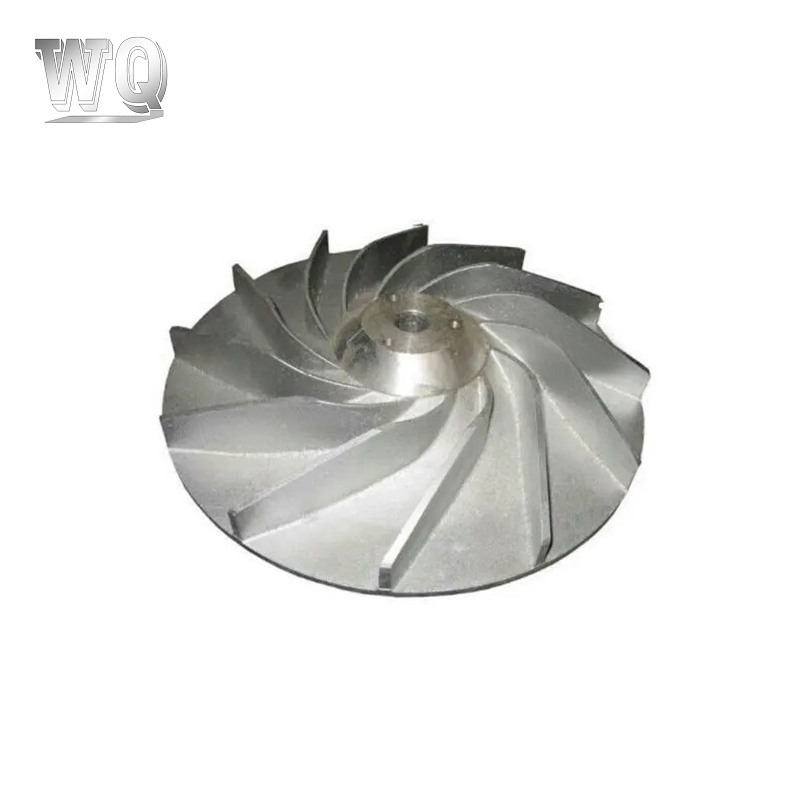
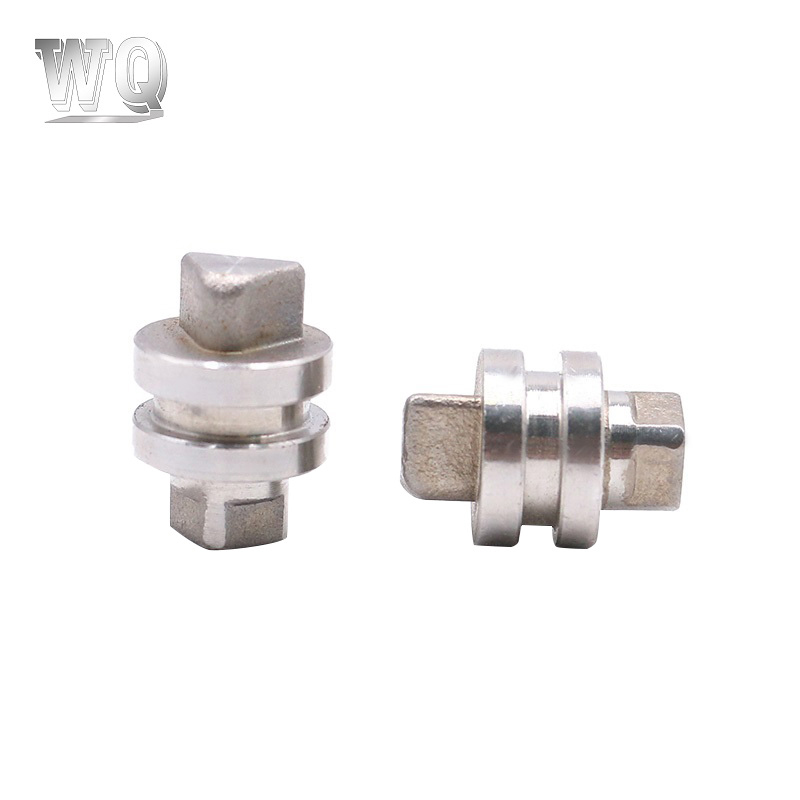
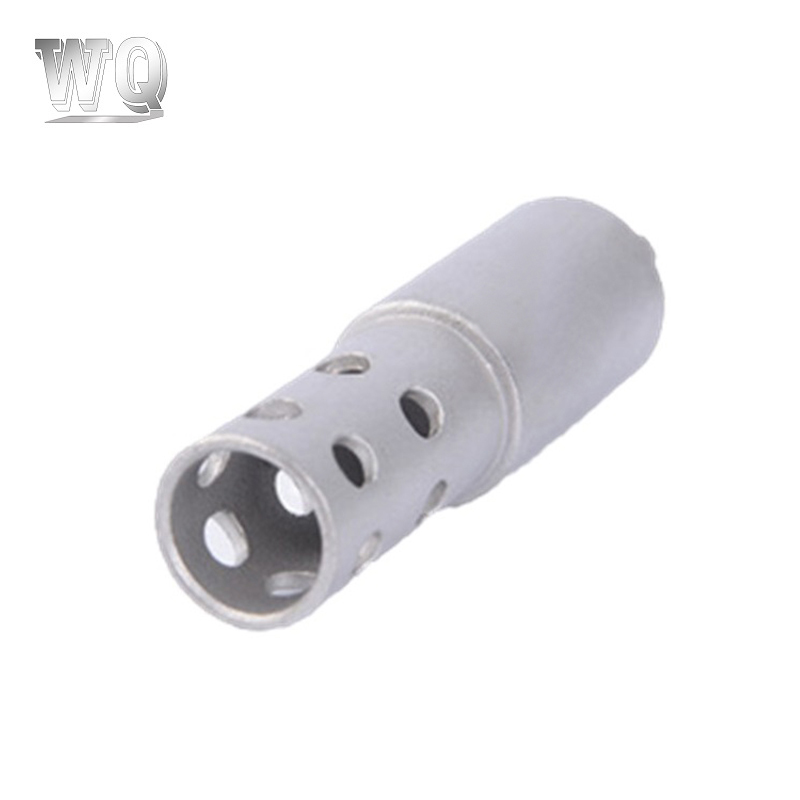
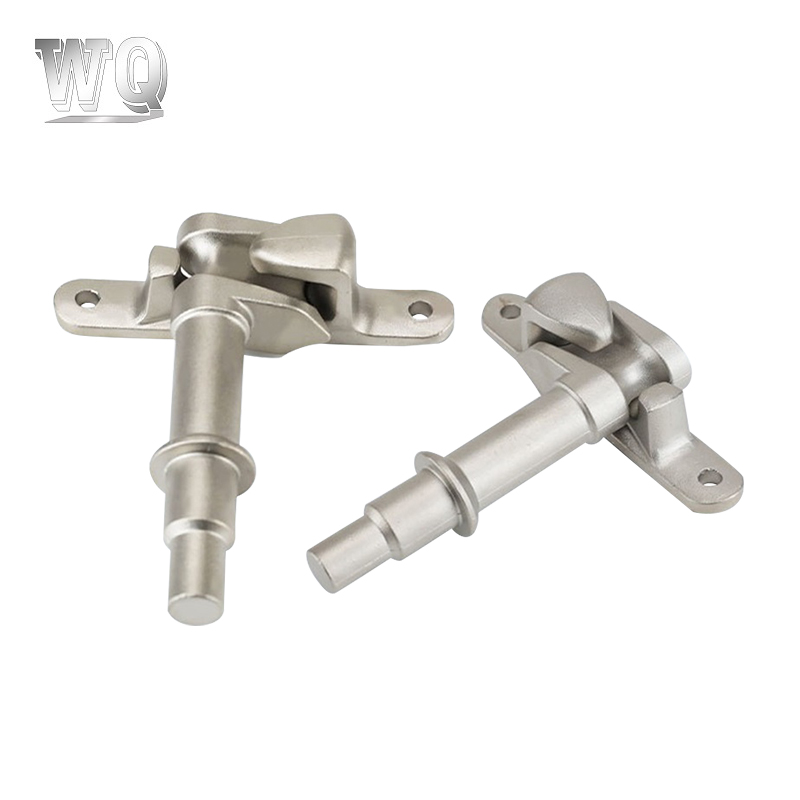
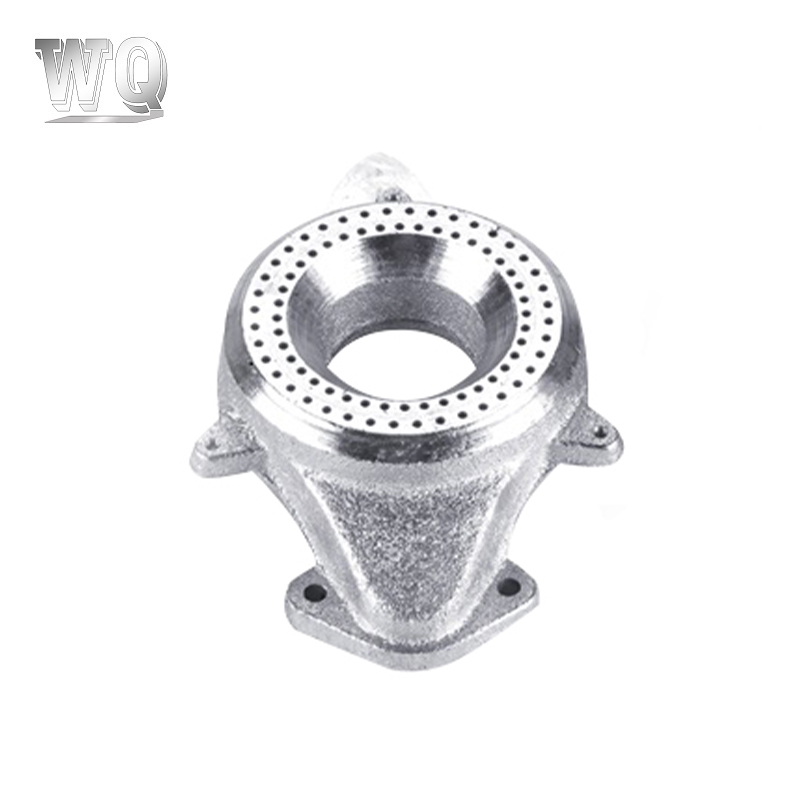
Aluminum casting parts are components produced by pouring molten aluminum alloy into a mold and allowing it to solidify into a desired shape. This manufacturing method is widely used across automotive, machinery, electronics, construction, and consumer goods industries. The popularity of aluminum casting parts is largely driven by their balanced combination of performance, manufacturability, and cost advantages.
Compared with parts made from steel, iron, or plastics, aluminum casting parts offer unique benefits that directly impact product efficiency, durability, and overall lifecycle cost. Understanding these advantages helps manufacturers and engineers determine when aluminum casting is the most suitable solution.
Lightweight with High Strength-to-Weight Ratio
One of the most significant advantages of aluminum casting parts is their lightweight nature. Aluminum has a density approximately one-third that of steel, which allows substantial weight reduction without sacrificing structural integrity. This property is especially valuable in applications where weight directly affects performance or energy consumption.
Despite being lightweight, aluminum alloys used in casting can achieve impressive mechanical strength. Through proper alloy selection and heat treatment, aluminum casting parts can withstand high loads while maintaining dimensional stability.
Excellent Design Flexibility and Complex Geometry
Aluminum casting allows for the production of complex shapes that would be difficult or costly to achieve through machining or fabrication. Intricate internal cavities, thin walls, ribs, and integrated mounting features can be formed directly during the casting process.
This design flexibility enables engineers to consolidate multiple components into a single aluminum casting part. Reducing part count simplifies assembly, improves reliability, and lowers overall production costs.
Good Corrosion Resistance
Aluminum casting parts naturally resist corrosion due to the formation of a thin oxide layer on the surface. This protective layer prevents further oxidation and shields the material from environmental damage in many applications.
In comparison with ferrous metals, aluminum casting parts require less protective coating for indoor and mild outdoor environments. Additional surface treatments such as anodizing or powder coating can further enhance corrosion resistance when needed.
Cost Efficiency in Medium to High Volume Production
From a manufacturing perspective, aluminum casting parts offer strong cost advantages, particularly for medium to high production volumes. Once molds are created, casting enables consistent, repeatable production with minimal material waste.
Compared to machining solid aluminum blocks, casting significantly reduces material removal and machining time. This efficiency translates into lower labor costs and shorter production cycles.
Excellent Thermal Conductivity
Aluminum alloys are known for their high thermal conductivity, making aluminum casting parts ideal for heat dissipation applications. Components such as housings, heat sinks, and engine parts benefit from aluminum’s ability to transfer heat efficiently.
This advantage is particularly important in electronics, automotive, and industrial equipment, where effective thermal management directly impacts performance and service life.
Dimensional Stability and Accuracy
Modern aluminum casting techniques, such as die casting and permanent mold casting, offer excellent dimensional control. Tight tolerances can be achieved, reducing the need for extensive secondary machining.
Consistent dimensions across production batches help ensure interchangeability of parts, which is critical in mass production and assembly-line manufacturing.
Versatility of Casting Processes
Aluminum casting parts can be produced using various casting methods, each offering specific advantages. This versatility allows manufacturers to select the most appropriate process based on design complexity, volume, and performance requirements.
- Die casting for high-volume, high-precision parts
- Sand casting for large or low-volume components
- Permanent mold casting for improved surface finish
- Investment casting for complex, high-detail designs
Environmental and Sustainability Benefits
Another important advantage of aluminum casting parts is sustainability. Aluminum is highly recyclable, and recycled aluminum retains nearly all of its original properties. Using recycled aluminum significantly reduces energy consumption compared to producing primary aluminum.
This makes aluminum casting an environmentally responsible choice for manufacturers aiming to reduce carbon footprint and meet sustainability goals.
Mechanical Performance Customization
Aluminum casting parts can be tailored to specific mechanical requirements through alloy selection and post-processing. Properties such as hardness, tensile strength, and fatigue resistance can be adjusted to match application demands.
Heat treatment processes further enhance performance, allowing aluminum castings to compete with heavier metal components in many structural roles.
Comparison with Other Common Materials
To better understand the advantages of aluminum casting parts, it is helpful to compare them with alternative materials commonly used in industrial components.
| Material | Weight | Corrosion Resistance | Manufacturing Flexibility |
| Aluminum Casting | Low | High | High |
| Steel | High | Moderate | Moderate |
| Plastic | Very Low | High | High |
Wide Range of Industrial Applications
Thanks to these advantages, aluminum casting parts are used across many industries. In automotive manufacturing, they reduce vehicle weight and improve fuel efficiency. In electronics, they provide structural support and thermal management. In machinery, they offer durable yet lightweight solutions for housings and frames.
This versatility demonstrates how aluminum casting parts meet diverse functional and economic requirements across global markets.
Conclusion: Why Choose Aluminum Casting Parts
The advantages of aluminum casting parts include lightweight strength, design flexibility, corrosion resistance, cost efficiency, and sustainability. These benefits make aluminum casting a practical and competitive manufacturing solution for a wide range of applications.
By leveraging appropriate casting methods and alloy selection, manufacturers can produce high-quality aluminum casting parts that deliver long-term performance and value. As industries continue to demand efficiency and innovation, aluminum casting remains a key material choice.