


 English
 中文简体
中文简体
 Español


Content
- 1 Why Stainless Steel Casting Parts Are Widely Used
- 2 Common Types of Stainless Steel Casting Processes
- 3 Key Materials Used in Stainless Steel Casting Parts
- 4 Advantages of Stainless Steel Casting Parts
- 5 How to Choose the Right Stainless Steel Casting Parts
- 6 Conclusion: Practical Value of Stainless Steel Casting Parts
Why Stainless Steel Casting Parts Are Widely Used
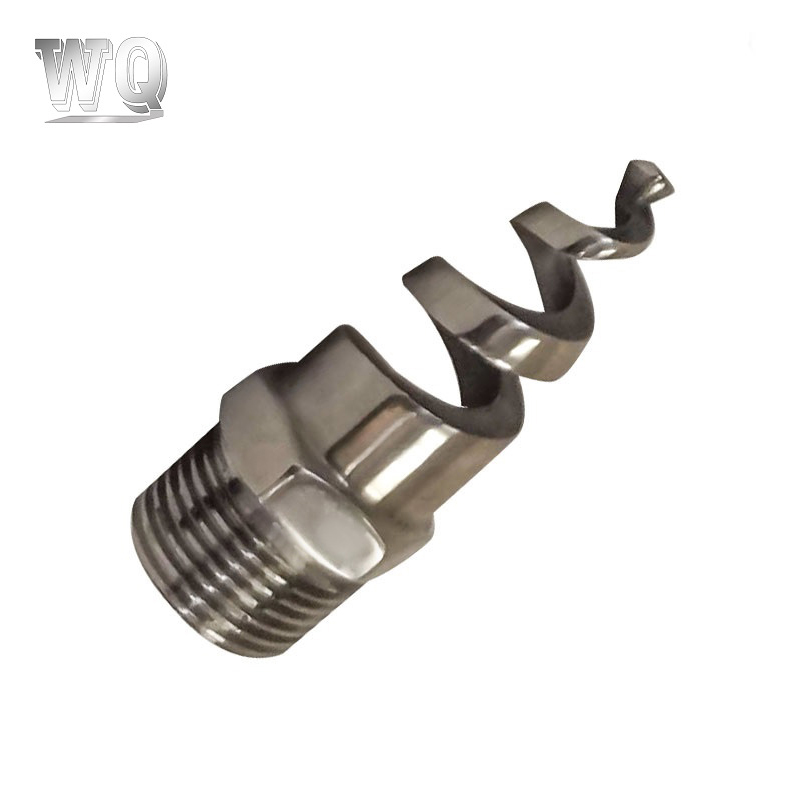
Stainless steel casting parts are widely used because they offer excellent corrosion resistance, high strength, and long service life, even in harsh environments. Compared to other manufacturing methods, casting allows the production of complex shapes with tight tolerances, reducing machining costs and material waste.
In industries such as automotive, marine, construction, and food processing, stainless steel castings can last 2–5 times longer than carbon steel components under similar conditions, making them a cost-effective long-term investment.
Common Types of Stainless Steel Casting Processes
Different casting processes are used depending on the complexity, size, and required precision of the parts. Each method has its own advantages.
Investment Casting (Lost Wax Casting)
This process delivers high precision and smooth surface finishes (Ra 3.2–6.3 μm). It is ideal for complex and small-to-medium parts such as valves, pump components, and medical devices.
Sand Casting
Sand casting is suitable for large parts and lower production costs. Although the surface finish is rougher, it is widely used for heavy equipment components and structural parts.
Precision Casting
Precision casting combines the benefits of dimensional accuracy and material efficiency, often reducing the need for secondary machining by up to 60%.
Key Materials Used in Stainless Steel Casting Parts
The performance of casting parts largely depends on the stainless steel grade selected. Below is a comparison of commonly used materials:
| Material Grade | Key Properties | Typical Applications |
|---|---|---|
| 304 | Good corrosion resistance, cost-effective | Food equipment, fittings |
| 316 | Superior corrosion resistance (marine-grade) | Marine, chemical processing |
| 17-4 PH | High strength, heat treatable | Aerospace, mechanical parts |
Advantages of Stainless Steel Casting Parts
Stainless steel casting offers several practical advantages over fabrication or machining methods:
- Ability to create complex geometries in a single process
- Reduced material waste, improving cost efficiency
- Excellent mechanical properties and wear resistance
- Strong resistance to corrosion, oxidation, and chemicals
- Lower need for welding or assembly, reducing failure points
How to Choose the Right Stainless Steel Casting Parts
Selecting the right casting solution depends on your application requirements. Consider the following factors:
- Environment: For corrosive or marine environments, 316 stainless steel is often the best choice.
- Mechanical Load: High-stress applications benefit from stronger alloys like 17-4 PH.
- Part Complexity: Investment casting is ideal for intricate designs with tight tolerances.
- Production Volume: Large batch production can significantly reduce per-unit costs.
- Post-processing Needs: Consider machining, polishing, or heat treatment requirements.
Conclusion: Practical Value of Stainless Steel Casting Parts
Stainless steel casting parts provide a reliable and cost-effective solution for producing durable, corrosion-resistant, and complex components. With the right material and casting process, manufacturers can achieve high performance, reduced production costs, and long-term reliability. For industries requiring precision and durability, stainless steel casting remains one of the most practical manufacturing methods available today.