


 English
 中文简体
中文简体
 Español


Ice cream machines — whether a compact countertop batch freezer or a high-output soft-serve unit in a busy shop — are only as reliable as the parts inside them. The majority of ice cream machine failures trace back to a small set of high-wear components: the dasher blade assembly, drive shaft seals, beater blades, mix inlet valves, and the refrigeration system's expansion valve. Knowing what each part does, when it wears out, and where to source genuine replacements is the fastest way to reduce downtime and protect product quality.
This guide covers the full parts landscape for commercial ice cream machines — from freezing cylinder components to refrigeration hardware — with practical guidance on inspection intervals, wear signs, and replacement decisions.
Content
- 1 The Freezing Cylinder and Its Internal Components
- 2 Seals, O-Rings, and Gaskets: The Most Overlooked Parts
- 3 Mix Feed System Components
- 4 Refrigeration System Parts
- 5 Drive System Parts: Motor, Gearbox, and Bearings
- 6 Control and Electrical Parts
- 7 Parts Replacement Frequency: A Practical Maintenance Reference
- 8 OEM vs. Aftermarket Parts: Making the Right Call
- 9 How to Source Ice Cream Machine Parts Reliably
The Freezing Cylinder and Its Internal Components
The freezing cylinder is the core of any ice cream machine. Mix enters at the top or rear, refrigerant surrounds the outer wall, and rotating internal components scrape the frozen product off the cylinder wall continuously. This constant mechanical contact makes the internal parts the most frequently replaced components in the entire machine.
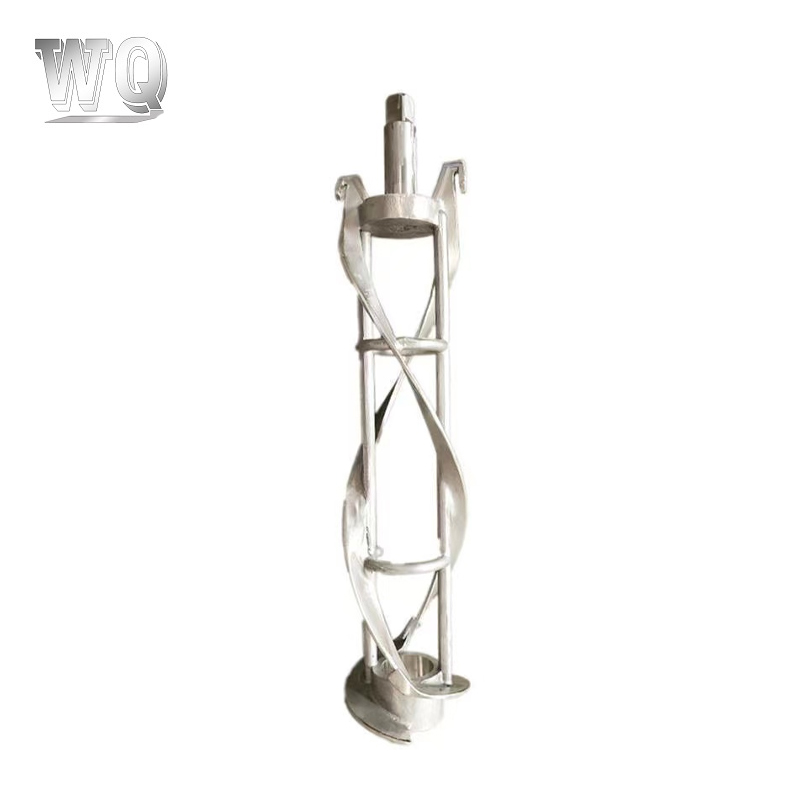
Dasher Assembly
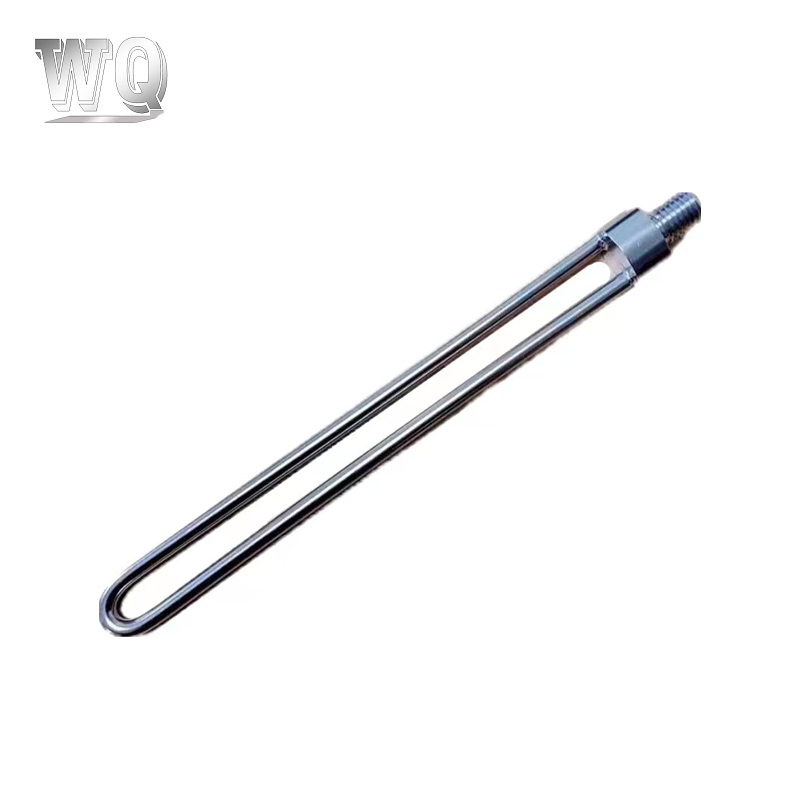
The dasher is the central rotating shaft that holds the scraper blades in position and drives them around the cylinder wall. It is typically made from food-grade stainless steel (304 or 316 grade) and must maintain precise concentricity to prevent uneven blade wear. A bent or worn dasher causes blade chatter, inconsistent product texture, and accelerated wear on the cylinder lining. On most commercial batch freezers, the dasher should be inspected for straightness every 500 operating hours and replaced if runout exceeds the manufacturer's tolerance — commonly 0.1 to 0.2 mm.
Scraper Blades (Beater Blades)
Scraper blades press against the inner wall of the freezing cylinder, continuously removing the thin frozen layer so it blends into the bulk mix. They are made from ultra-high molecular weight polyethylene (UHMWPE), nylon, or in some high-output machines, stainless steel with a softer material insert. UHMWPE blades are preferred because they are hard enough to scrape effectively but soft enough to protect the stainless cylinder wall from scoring.
Blade wear is the single most common maintenance event in commercial ice cream equipment. Industry maintenance guidelines for soft-serve and batch freezers typically recommend replacing scraper blades every 500 to 1,000 operating hours, or sooner if the product develops icy texture, the draw temperature rises unexpectedly, or visible wear grooves appear on the blade edge. A worn blade that no longer contacts the cylinder wall fully allows ice crystal buildup on the cylinder surface, reducing heat transfer efficiency and overloading the refrigeration compressor.
Beater Drive Shaft and Coupling
The drive shaft transfers torque from the motor to the dasher. In most machines, a flexible coupling or splined connection links the shaft to the motor output, absorbing minor misalignment and reducing shock loads. Couplings made from polyurethane or nylon wear gradually and can develop backlash that causes noise and vibration. Any detectable play in the drive coupling should prompt immediate inspection, as continued operation with a worn coupling accelerates bearing wear in both the motor and the gearbox.
Seals, O-Rings, and Gaskets: The Most Overlooked Parts
Sealing components are inexpensive individually but cause disproportionate damage when they fail. A leaking drive shaft seal allows mix to enter the motor housing. A deteriorated cylinder O-ring allows air infiltration that produces overrun inconsistency. A cracked mix hopper gasket creates a bacterial harborage point that can trigger a food safety failure.
Drive Shaft Seal
Located where the dasher shaft exits the rear of the freezing cylinder, the drive shaft seal prevents mix from migrating into the machine's mechanical and electrical compartments. Most commercial machines use a lip seal or mechanical face seal made from PTFE or nitrile rubber. These seals should be replaced at every scheduled strip-down service — typically every 12 months or 2,000 operating hours, whichever comes first, regardless of whether a leak is visible. A seal that has hardened from thermal cycling may appear intact but will fail suddenly under pressure.
Cylinder O-Rings and Face Gaskets
The freezing cylinder is sealed at its open end with an O-ring or moulded gasket that compresses between the cylinder face and the front bearing housing or door. These are typically food-grade silicone or EPDM rubber. Silicone O-rings maintain their flexibility down to approximately −60°C, making them the preferred material for low-temperature applications. Replace any O-ring that shows flattening, cracking, or a permanent deformation greater than 25% of its original cross-section diameter.
Mix Hopper and Feed Line Gaskets
All connections in the mix path — hopper-to-cylinder feed tube, mix pump inlet, and dispensing valve body — rely on gaskets to maintain sanitary seals. These gaskets must comply with NSF/ANSI 51 (food equipment materials) standards. Inspect these at every cleaning cycle; replace immediately if any cracking, swelling from cleaning chemical exposure, or discoloration is observed.
Mix Feed System Components
The mix feed system controls how liquid mix is delivered from the hopper into the freezing cylinder. Its components directly affect product consistency, overrun control, and the machine's ability to maintain draw temperature under varying load conditions.
Mix Inlet Valve and Float Valve Assembly
A float valve in the hopper or a solenoid-controlled inlet valve meters mix into the cylinder to maintain the correct fill level. If the float valve sticks open, the cylinder overfills and product quality degrades. If it sticks closed, the machine runs dry and the scraper blades wear rapidly against an empty cylinder. Float valve bodies are typically polypropylene or acetal (POM); the float itself is stainless steel or NSF-compliant plastic. A sticking or leaking mix valve is responsible for an estimated 15–20% of product consistency complaints on soft-serve machines.
Mix Pump
Gravity-fed machines rely on head pressure from the hopper alone. Pressurized machines use a gear pump or peristaltic pump to push mix into the cylinder at a controlled rate, enabling tighter overrun control and more consistent draw temperature. Pump wear parts — including gears, rotors, and peristaltic tubing — are wear items that must be replaced on schedule. Peristaltic tubing in particular should be replaced every 6 months or at the first sign of visible surface cracking or diameter reduction from compression fatigue.
Dispensing Valve and Spigot Assembly
The dispensing valve controls product release and must form a leak-free seal when closed. On soft-serve machines, the spigot handle and valve body are high-contact parts exposed to repeated mechanical cycling — a busy soft-serve machine may open and close its dispensing valve 300 to 500 times per day. Valve body wear causes dripping and inconsistent draw weight. Most manufacturers supply spigot kits that include the valve body, O-rings, and handle bushings as a complete replacement set.
Refrigeration System Parts
The refrigeration circuit in an ice cream machine operates the same vapor-compression cycle as commercial refrigeration equipment, but with more demanding thermal cycling requirements — the system must pull the freezing cylinder down to drawing temperature quickly after each batch or dispensing cycle. Understanding the key refrigeration parts helps operators identify the source of temperature performance problems before calling a technician.
Compressor
The compressor is the most expensive single component in the refrigeration circuit. Commercial ice cream machines typically use hermetic reciprocating or scroll compressors from manufacturers such as Embraco, Copeland (Emerson), or Tecumseh. Compressor capacity is matched to the machine's cylinder volume and target draw temperature. Premature compressor failure is most commonly caused by liquid slugging (liquid refrigerant entering the compressor), refrigerant contamination with moisture, or loss of lubrication oil due to refrigerant leaks. Compressor replacement on a commercial batch freezer typically costs $400–$1,200 in parts alone, making prevention far more economical than replacement.
Expansion Valve (TXV or Capillary Tube)
The expansion valve meters refrigerant flow into the evaporator (freezing cylinder jacket) to match the load. Thermostatic expansion valves (TXV) adjust dynamically based on evaporator outlet superheat; capillary tubes provide fixed restriction and are common in smaller machines. A TXV that has drifted out of calibration or has a contaminated sensing bulb will cause either insufficient cylinder cooling (high draw temperature) or excessive flooding of the evaporator (liquid slugging to the compressor). TXV replacement or recalibration should be carried out by a certified refrigeration technician.
Condenser and Condenser Fan
Air-cooled machines rely on a finned condenser and fan to reject heat from the refrigerant. A blocked or dirty condenser is one of the most common causes of high head pressure, reduced cooling capacity, and compressor tripping on thermal overload. Condenser coils should be cleaned with compressed air or a soft brush every 30 to 90 days depending on the installation environment. Condenser fan motors are relatively inexpensive (typically $30–$80) but their failure causes rapid system pressure problems; any unusual noise from the fan should prompt immediate inspection.
Refrigerant Solenoid Valve
Many ice cream machines use a refrigerant solenoid valve to stop refrigerant flow to the evaporator when the compressor cycles off, preventing migration and pressure equalization issues. A failed-open solenoid allows refrigerant flooding; a failed-closed solenoid stops cooling entirely. Solenoid valve coils are replaceable without opening the refrigerant circuit, making them a straightforward repair when the coil resistance tests outside the manufacturer's specified range.
Drive System Parts: Motor, Gearbox, and Bearings
The drive system converts electrical power into the rotational torque that turns the dasher. It operates under significant mechanical stress — particularly during hardening cycles when the product becomes very stiff — and its components are subject to both wear and overload failure.
Beater Motor
Commercial ice cream machines use single-phase or three-phase induction motors rated from 0.37 kW (½ hp) for small batch freezers to 3.7 kW (5 hp) or more for large continuous freezers. Motor thermal overload protection trips when the product becomes too stiff — a signal that draw temperature or mix viscosity is outside normal parameters. Repeated thermal overload cycling accelerates winding insulation breakdown and shortens motor life significantly. If the overload trips more than once per shift, investigate the root cause (product formulation, draw temperature setting, blade wear) rather than simply resetting it.
Gearbox and Reduction Drive
The gearbox reduces motor speed (typically 1,400–1,800 rpm) to the dasher speed (commonly 100–200 rpm) while multiplying torque. Gearboxes in commercial ice cream machines are generally oil-bath lubricated helical or worm gear units. Oil should be checked annually and changed every 2,000–3,000 operating hours or when discoloration, metallic particles, or emulsification from water ingress are detected. Worm gear sets in high-torque machines are the most wear-sensitive component; unusual noise or heat from the gearbox housing indicates worn gear mesh that should be addressed before complete failure.
Drive Bearings
Both the motor and gearbox output shaft are supported by ball or roller bearings. These are standard industrial bearings (commonly 6200 and 6300 series) that can be sourced from bearing distributors as well as OEM channels. Bearing failure produces characteristic vibration and noise before complete seizure. Replace bearings whenever grease purging from the seal, increased noise, or detectable shaft play is observed — bearing replacement cost is trivial compared to the collateral damage from a seized shaft.
Control and Electrical Parts
Modern commercial ice cream machines use electronic control boards, temperature sensors, and safety switches to automate the freezing cycle and protect the equipment. These parts fail less frequently than mechanical components but are more expensive and often harder to source for older machines.
Control Board (PCB)
The main PCB manages the freezing cycle, monitors draw temperature via the product sensor, controls the refrigeration and beater motor circuits, and manages defrost timing. Control board failures often manifest as erratic cycling, failure to reach draw temperature, or locked error codes. Before replacing a control board — which can cost $150–$600 for commercial units — always verify that the power supply voltage is within specification and that all sensor inputs are reading correctly, as a defective sensor frequently generates symptoms that appear to be a board fault.
Temperature Sensors and Probes
Most machines use NTC thermistors or PT100 RTD probes to monitor product temperature, ambient temperature, and evaporator outlet temperature. A drifted temperature sensor causes the machine to draw product at incorrect consistency. Sensor accuracy can be field-checked by immersing the probe in an ice-water bath (should read 0°C ±0.5°C) or boiling water (100°C at sea level). Sensors that fail this test should be replaced — they are typically low-cost parts under $20–$40.
Overload Relays and Safety Switches
Motor overload relays, high-pressure cutout switches, and door safety interlocks protect the machine from damage and the operator from injury. These are electromechanical components with finite cycle lives. A high-pressure cutout that trips repeatedly should be investigated for root cause (condenser blockage, refrigerant overcharge) rather than bypassed — this switch protects the compressor from destructive overpressure events.
Parts Replacement Frequency: A Practical Maintenance Reference
The table below consolidates recommended replacement intervals for the most commonly serviced ice cream machine parts, based on typical commercial use in a high-volume foodservice environment:
| Part | Replacement Interval | Key Failure Signs | Typical Part Cost |
|---|---|---|---|
| Scraper / Beater Blades | 500–1,000 hrs or 6–12 months | Icy product texture, visible blade wear | $15–$60 per set |
| Drive Shaft Seal | 12 months or 2,000 hrs | Mix leakage at rear of cylinder | $10–$40 |
| O-Rings and Gaskets | Every strip-down service | Flattening, cracking, discoloration | $5–$30 per kit |
| Dispensing Valve / Spigot Kit | 12–18 months (high-volume) | Dripping, inconsistent draw weight | $25–$90 |
| Peristaltic Pump Tubing | 6 months | Surface cracking, reduced flow rate | $10–$35 |
| Drive Coupling | As needed (inspect annually) | Noise, vibration, detectable backlash | $20–$75 |
| Temperature Sensor / Probe | As needed (test annually) | Erratic draw temperature, error codes | $20–$50 |
| Condenser Fan Motor | As needed (inspect 6 months) | Noise, reduced airflow, high head pressure | $30–$90 |
| Gearbox Oil | 2,000–3,000 hrs or annually | Discoloration, metallic particles | $10–$25 per change |
| Control Board (PCB) | As needed | Locked error codes, erratic cycling | $150–$600 |
OEM vs. Aftermarket Parts: Making the Right Call
Ice cream machine operators face a recurring choice between OEM (original equipment manufacturer) parts and aftermarket alternatives. Both have legitimate places in a maintenance strategy, but the decision deserves more than a simple cost comparison.
- Food-contact parts should always be OEM or certified equivalents. Scraper blades, O-rings, gaskets, and dispensing valve components must be manufactured from NSF/ANSI 51-compliant materials. Non-certified aftermarket parts may leach plasticizers or chemical residues into the product — a food safety and regulatory compliance issue that no cost saving justifies.
- Refrigeration components benefit from OEM or approved-equivalent sourcing. TXV valves and solenoid valves must match the original refrigerant type and pressure ratings. Using a mismatched valve can cause refrigerant circuit imbalance and compressor damage.
- Standard industrial components can be sourced from general suppliers. Drive bearings (6200/6300 series), condenser fan motors, and electrical contactors are standard industrial parts. Sourcing these from a bearing distributor or electrical supplier rather than the OEM typically saves 30–60% with no performance difference, provided the specifications match exactly.
- Keep a cross-reference of OEM part numbers against standard equivalents. Many OEM parts are relabelled standard components with a significant price premium. Building a cross-reference for your specific machines is a one-time investment that pays back repeatedly in procurement savings.
How to Source Ice Cream Machine Parts Reliably
Parts availability is one of the most practical factors in commercial ice cream machine selection and long-term ownership. A machine that cannot be serviced within 24–48 hours of a critical failure costs significantly more in lost revenue than the repair itself.
- Identify your machine's full model and serial number before ordering any parts. Ice cream machine manufacturers (Taylor, Carpigiani, Stoelting, Spaceman, Electro Freeze, and others) frequently revise part numbers between production runs, and the wrong revision can result in parts that appear visually identical but differ in critical dimensions.
- Locate the authorised service distributor for your brand in your region. Most major manufacturers operate a network of authorised distributors who stock common wear parts locally. This is the fastest route for urgent repairs.
- Maintain a minimum parts inventory for high-wear consumables. At minimum, keep one set of scraper blades, a full O-ring and seal kit, and dispensing valve O-rings on hand at all times. These are the parts most likely to require same-day replacement.
- Use online parts platforms for non-urgent sourcing. Platforms that specialise in commercial foodservice equipment parts often stock parts for multiple brands and can provide cross-reference assistance. Compare prices against the authorised distributor for non-food-contact parts.
- Document every parts replacement with date and operating hours. This record supports warranty claims, identifies recurring failure patterns that may indicate a systemic problem (such as a formulation issue causing abnormal blade wear), and provides data for lifecycle cost analysis when evaluating machine replacement decisions.
Operators who maintain a structured parts inventory and service log for their ice cream machines consistently report 30–50% lower annual maintenance costs compared to reactive-only maintenance approaches, primarily by avoiding emergency call-out fees and lost-revenue downtime during peak service periods.